5 Destinations to Visit Across Croatia
Croatia covers a surprising amount of variety for a relatively small country. One afternoon can involve Roman ruins beside a working market and then a ferry ride to a quiet harbour lined with stone houses and fishing boats.
Along the Dalmatian Coast, towns still revolve around old city gates, church squares, and waterfront promenades where locals gather well into the evening. Inland, national parks and mountain roads cut through thick forests and lakes that look completely different from the coastline most visitors associate with Croatia.
The destinations below highlight different sides of Croatia, from coastal towns suited to long summer stays to places known for old streets, Roman ruins, and national parks.
Immerse in the Roman Heritage of Zadar
Zadar feels more grounded in everyday local life than many coastal cities along the Adriatic. The Roman Forum still sits at the centre of the old town near the Church of St Donatus, where fragments of ancient columns remain scattered across the square. In the evenings, people gather along the Riva promenade near the Sea Organ and Greeting to the Sun installation as ferries move slowly towards nearby islands like Ugljan and Dugi Otok.
Kalelarga, officially called Široka ulica, cuts directly through the old town and stays busy most afternoons with market shoppers and people moving between Narodni trg and Five Wells Square. Just outside the old walls, the market near Ul. pod bedemom fills with local olive oil, Pag cheese, figs, and seasonal vegetables from villages farther inland.
Travellers searching for the best holiday villas in Zadar often look towards coastal areas like Borik, Diklo, and Puntamika, where quieter beaches and waterfront walking paths sit just outside the busy old town. Villages further north, including Kožino and Petr?ane, also remain popular in summer because of their proximity to smaller coves, local seafood restaurants, and calmer stretches of coastline facing the islands offshore. Many villas across this part of the Adriatic feature stone terraces, shaded outdoor dining areas, private pools, and wide sea views that become especially impressive at sunset.
Walk the Ancient Limestone Walls of Dubrovnik
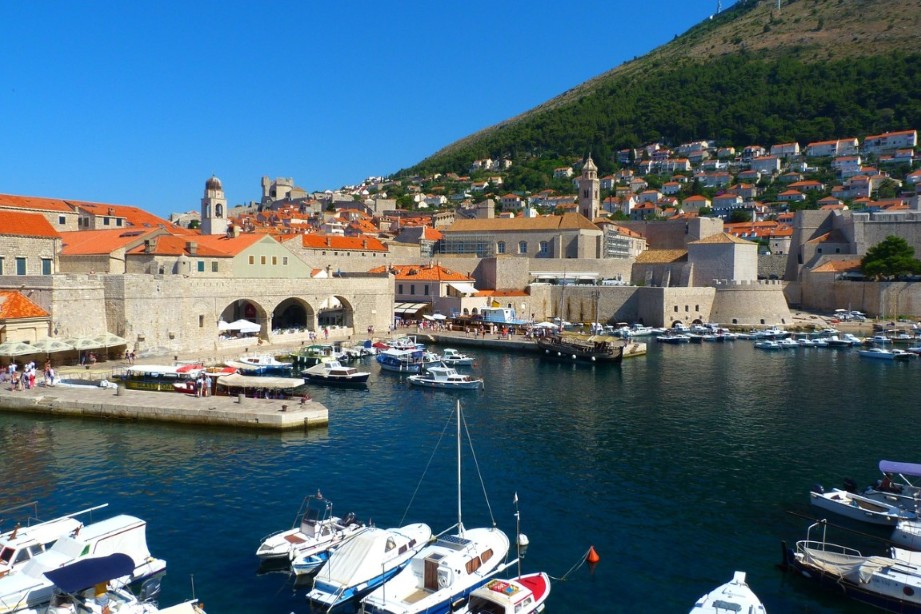
Dubrovnik’s old town can feel crowded during the middle of the day, but the atmosphere changes early in the morning once the stone streets around Stradun have been washed down and market deliveries begin arriving through Pile Gate. The limestone paving reflects the light almost white during summer afternoons, especially around Luža Square and the steps leading towards the Jesuit Staircase.
Walking the city walls still gives the best overall view of Dubrovnik. From Min?eta Tower, terracotta rooftops stretch towards Lokrum Island while basketball courts, narrow alleyways, and washing lines appear between the tightly packed stone buildings below. Fort Lovrijenac, positioned just outside the western walls, overlooks the Adriatic and has served as one of the main open-air venues during the Dubrovnik Summer Festival for decades.
Away from the busiest streets, areas around Gunduli?eva poljana market and the narrow lanes near Prijeko feel noticeably quieter. Laundry still hangs above the alleyways, while steep residential staircases climb towards the upper parts of the city where local families have lived for generations. Near Porporela, the harbour becomes livelier in the evening as people gather along the rocks for a swim before sunset.
Explore the Island Life and Lavender Fields of Hvar
Hvar Town stays active well into the night during summer, though the island itself changes quickly once travellers leave the marina area behind. Stone villages like Velo Grablje and Brusje sit higher in the hills, surrounded by old lavender fields and dry stone walls that have existed for centuries. During June and early July, parts of the island still smell strongly of lavender once the heat builds through the afternoon.
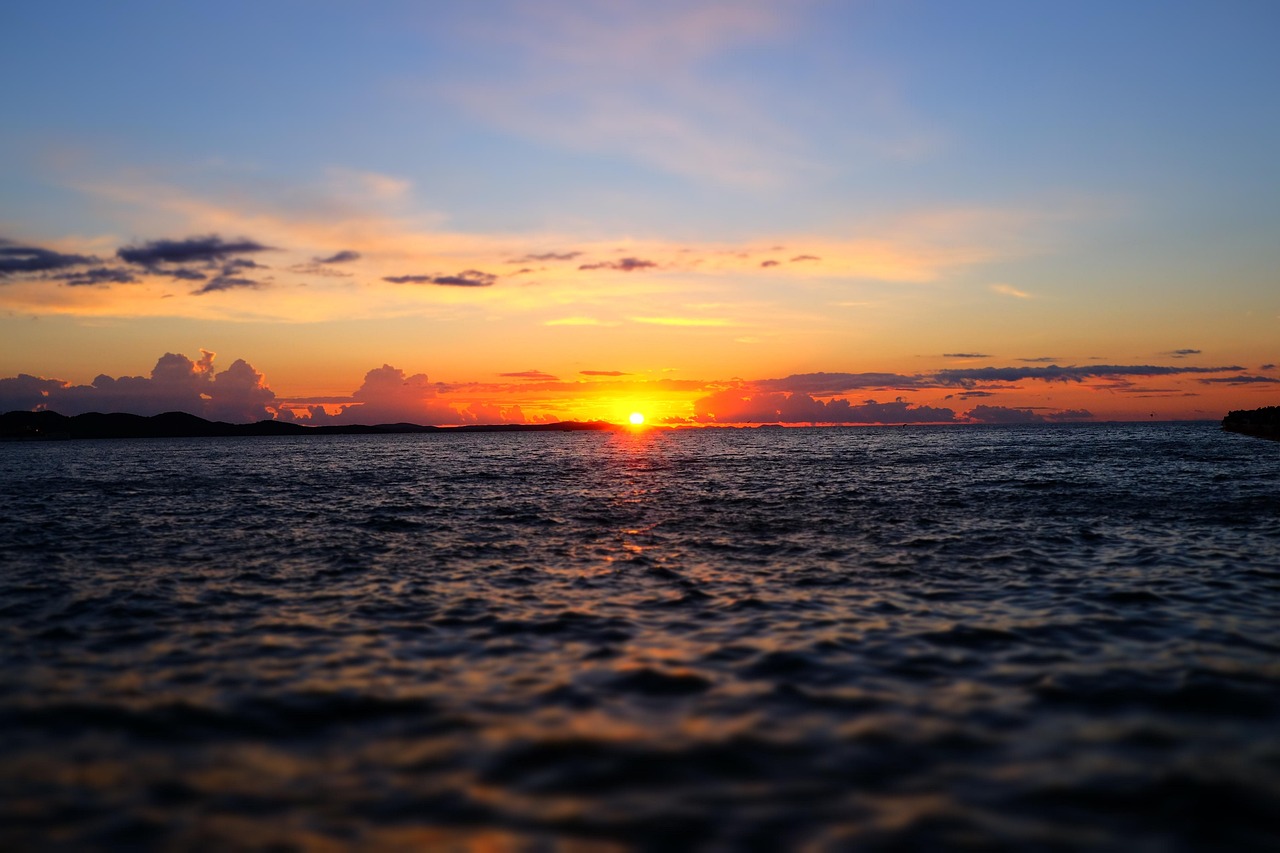
The harbour front around Trg svetog Stjepana remains the centre of town life, especially near the cathedral square and the narrow lanes climbing towards the Spanish Fortress. From the fortress walls, the Pakleni Islands sit directly across the water with dozens of small boats anchored between the coves below.
Further along the coast, Stari Grad feels calmer and older than Hvar Town itself. The stone lanes around Kralja Tomislava square lead towards small courtyards, churches, and waterfront paths lined with palm trees. The Stari Grad Plain, first organised by Greek settlers over 2,000 years ago, still contains vineyards and olive groves divided by original stone boundaries that remain visible today.
Discover the Cascading Emerald Waters of Plitvice Lakes
Plitvice Lakes National Park looks completely different depending on the season. During spring, the waterfalls run heavily after snowmelt from the mountains. In autumn, the walking paths around Kozjak Lake fill with fallen leaves, and mist hangs low across the water during colder mornings.
The lower lakes section near Veliki Slap usually gets the most attention because of the large waterfall and steep limestone canyon. Wooden boardwalks pass directly above the water in several sections, especially around Novakovi?a Brod, where fish gather beneath the platforms in huge numbers. The upper lakes feel more forested and quieter, particularly near Proš?ansko Lake and the smaller cascades hidden deeper within the park.
Small guesthouses around Rastova?a and Jezerce often book out quickly during summer because of their easy access to both Entrance 1 and Entrance 2 of the park. Beyond the lakes, the roads cutting through the Lika region reveal a quieter side of Croatia filled with mountain villages, abandoned stone barns, and dense forests where bears and wolves still survive within protected wilderness areas.
Visit the Well-Preserved Roman Amphitheatre in Pula
Pula carries a much stronger Roman influence than many first-time visitors expect. The Arena dominates the city immediately upon arrival and remains one of the best-preserved Roman amphitheatres anywhere outside Italy. Walking beneath the limestone arches makes the size far more noticeable, particularly inside the underground chambers where olive oil and wine were once stored before public gatherings.
The old town spreads out from Sergii Arch and Forum Square, where Roman temples still stand beside apartment buildings and small shops. On summer evenings, people gather around Giardini Avenue before heading towards the waterfront or the narrow streets near Kandlerova ulica. The market hall on Flanati?ka Street continues operating daily beneath its Austro-Hungarian iron structure, selling seafood, truffles, local cheese, and Istrian olive oil.
Cape Kamenjak, south of the city near Premantura, draws plenty of visitors during warmer months because of the rocky coves and clear swimming areas along the peninsula. Back in Pula itself, the harbour front near Riva reveals the city’s naval history, especially around the old shipyard cranes that still dominate part of the skyline after dark.
Which Croatian gem captures your imagination?
Croatia suits travellers looking for very different kinds of trips. Some will probably gravitate towards Dubrovnik’s limestone streets and medieval walls, others will remember swimming beneath the cliffs near Pula, walking through the lakes at Plitvice, or spending late evenings around Hvar’s harbour after the ferries have quietened down. Zadar, meanwhile, still feels like a city people genuinely live in, not just pass through for photographs. That variety is what keeps Croatia interesting even for repeat visitors