Nick Blood Talks Hitpoint and Twenty Twenty Six in FAULT Magazine Issue 33
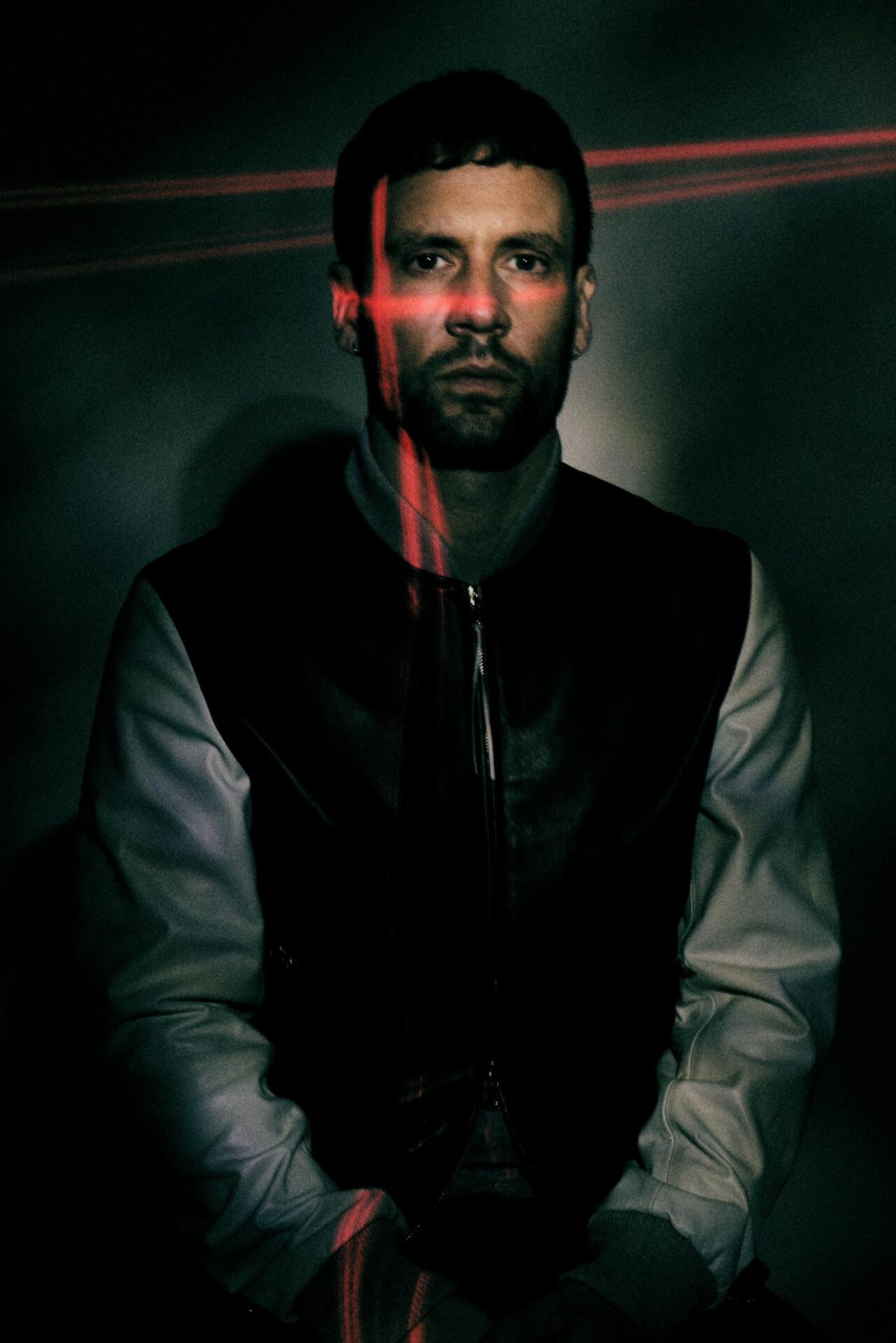
See the full shoot and exclusive interview with Nick Blood – secure your copy of FAULT Magazine Issue 33, now available for preorder
Photographer: David Yeo
Stylist: Krishan Parmar
Grooming: Lucy Thomas
Words: Miles Holder
Nick Blood has built a reputation for slipping seamlessly between worlds, tones, and temperaments. Whether on stage or on screen alongside names like Eddie Redmayne and Lashana Lynch, his performances carry a grounded intensity that feels both instinctive and considered.
Now, as he steps into a new run of projects, that versatility is once again front and centre. This summer sees Blood take the lead in Hitpoint, a StudioCanal drama set within West London’s underworld, opposite Saffron Hocking. At the same time, he shifts gears entirely for Twenty Twenty Six, a sharply observed mockumentary from the creators of Twenty Twelve. It’s a contrast that neatly encapsulates Blood’s approach to his craft: move freely, avoid repetition, and lean into the unfamiliar. We caught up with Nick to find out more!
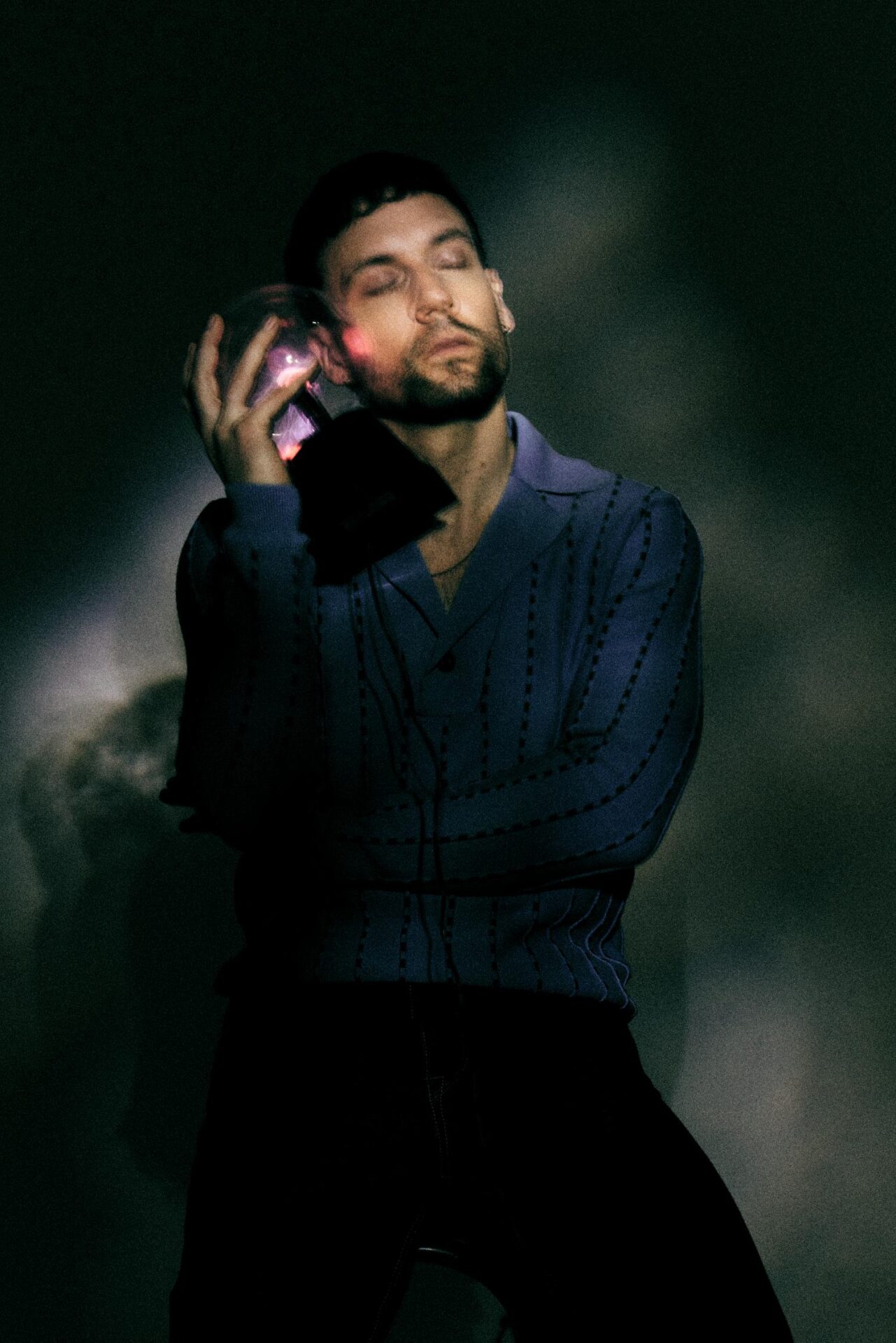
Let’s start with Hitpoint, tell me a bit about your character.
I play Leo, a plainclothes police officer partnered with Bella, played by Saffron Hocking. The show blends genres, there’s action and police thriller elements, but also this underlying romantic comedy between the two of them.
Leo’s in a difficult position from the start. There’s clear chemistry between him and Bella, but he’s also dealing with a complicated personal life. He’s trying to protect his younger brother while holding everything together professionally, and at the same time there’s this relationship with Bella that has real potential, but is constrained by their job.
See the full shoot and exclusive interview with Nick Blood – secure your copy of FAULT Magazine Issue 33, now available for preorder
With something that intense, does staying in that emotional space for long periods ever become draining?
It can be, depending on the scenes. There’s a sequence towards the climax that’s particularly intense, and that can take a lot out of you.
It depends on your process as well. Some actors use personal memories, but I tend to rely more on imagination. I’ll find an equivalent in my own life, what this person means to me, what I’d be afraid of in that situation, and use that as a way in.
That approach makes it slightly easier to detach afterwards, but it can still affect you. Playing darker characters over long periods can leave you in a heavier mindset.
I actually find theatre the most demanding in that sense. I did a two-hander a few years ago where the intensity just kept building, and performing that every night for weeks really takes a toll. Your nervous system needs time to come back down afterwards.
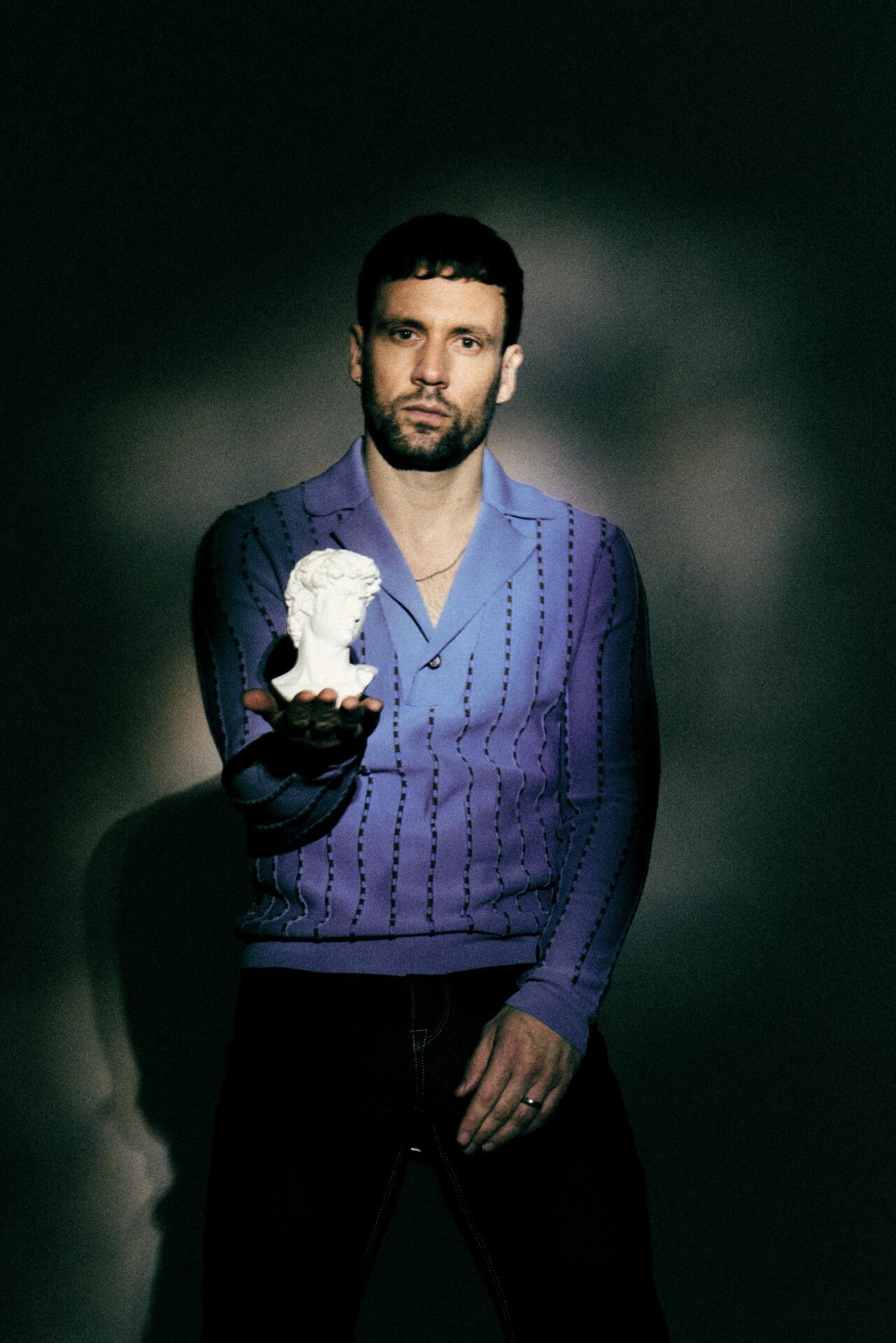
With comedy, especially in something like Twenty Twenty Six, how do you build a realistic character who isn’t allowed to question if they’re in an unrealistic environment?
You have to commit completely. If you play the joke, the audience sees through it immediately.
With Phil Plank, he’s quite a linear thinker, so it’s about believing in his perspective and taking it seriously. The writing is so specific that you instinctively understand who he is.
Comedy works best when it’s grounded in truth. You play it honestly, and the humour comes from that.
What is your FAULT?
I’d say my restlessness. It’s both a blessing and a curse.
I’m always pushing myself to do more, to find the next thing, and that can create pressure. But at the same time, it’s probably what’s driven my career forward.
My wife balances that out, she reminds me to slow down, to take things in, while I tend to push forward. Ideally, we’d meet somewhere in the middle.