Tempo of Travel: Matching Global Movement to Your Personality
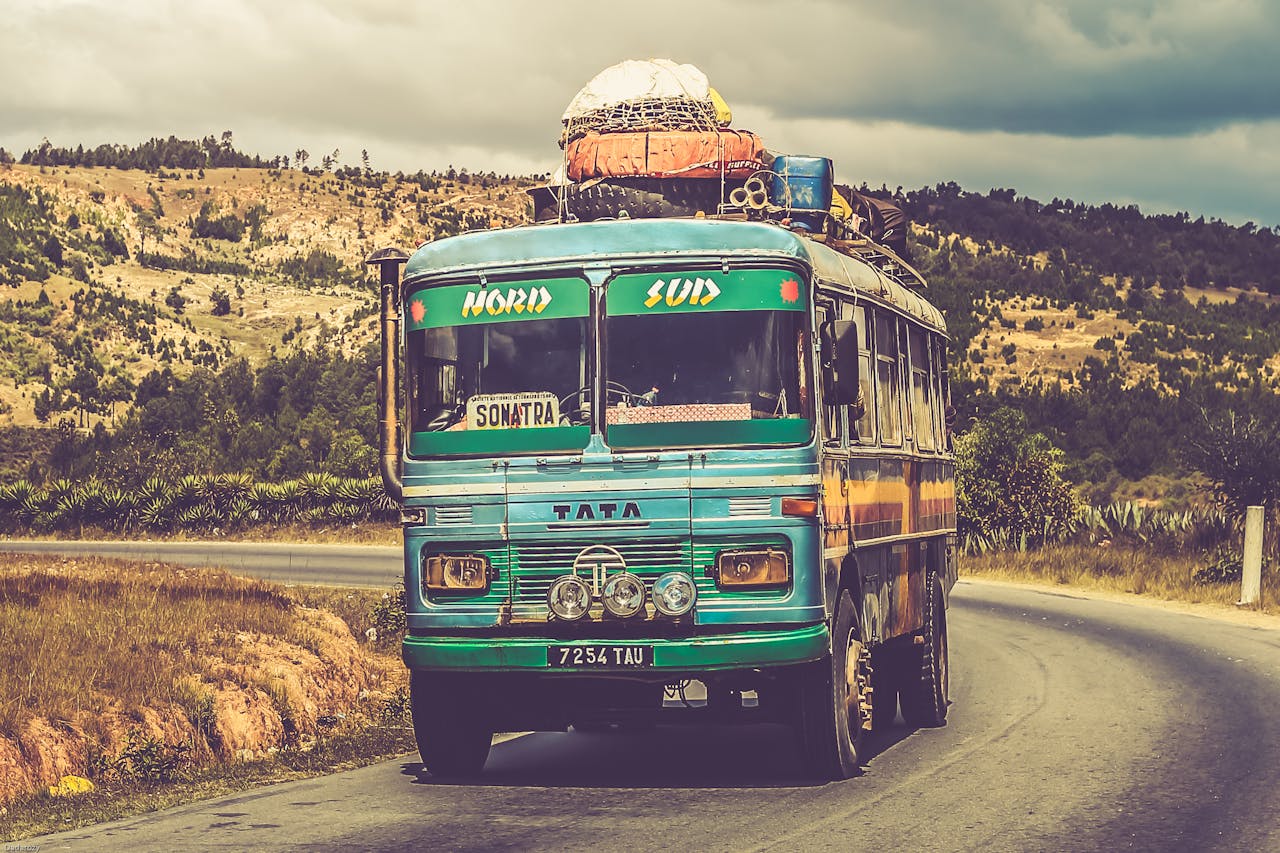
People travel in different ways. Some settle into a journey through repetition: steady pedal strokes, long miles on foot, the rhythm of ocean swells. Others are fueled by speed, noise, and spectacle. A city break can exhaust someone who craves open landscapes, just as a remote trekking route may test the patience of a traveller who thrives on packed schedules and bright lights. Aligning the pace of a trip with personal temperament can transform the entire experience.
From European cycle routes to rural Japanese rail lines, and from Formula 1 circuits to Patagonian hiking trails, tempo shapes how a destination is felt and remembered.
Kinetic Exploration and Cycling Itineraries in Europe
For travellers who get restless sitting still, cycling makes sense. Europe is built for it. In the Netherlands, the LF routes connect towns through marked, separated lanes. Riders can move between Utrecht and Amsterdam without worrying about traffic, stopping at canal-side cafés or detouring to the Kröller-Müller Museum in Hoge Veluwe National Park.
In Austria, the Danube Cycle Path stretches from Passau to Vienna, following a largely flat route that allows for consistent daily mileage. Along the way, riders pass baroque abbeys such as Melk and pause in small riverside villages where lunch might mean schnitzel, apple strudel, and a shaded terrace overlooking the water.
France introduces longer gradients and more varied terrain. In Provence, cycling routes pass beneath Mont Ventoux and weave through vineyards near Châteauneuf-du-Pape, where the landscape shifts between open plains and sun-baked hills. In Italy, the Via Claudia Augusta traces an ancient Roman road from Bavaria into northern Italy, crossing the Alps through a series of steady, well-engineered climbs. Many operators now offer active cycling trips in Europe that include luggage transfers, mapped GPX routes, and pre-booked accommodations. At the same time, independent riders can rely on regional train networks to connect stages, making it possible to tailor distances without sacrificing flexibility.
The Slow Movement and Mindful Immersion in Rural Japan
Not everyone wants a journey defined by how far they travel. In rural Japan, the experience comes from slowing down and engaging deeply with one place. Towns like Takayama in Gifu Prefecture still hold morning markets along the Miyagawa River, where local farmers sell pickles and miso. Wooden merchant houses line the old streets, and the pace of daily life follows seasonal routines. Visitors often stay in small ryokan, sleeping on tatami mats and eating multi-course kaiseki dinners built around local produce.
Further south, the Kumano Kodo pilgrimage routes thread through cedar forests toward shrines such as Kumano Nachi Taisha. Walkers move between small settlements like Yunomine Onsen and Hongu, where hot springs that have been used for centuries provide a practical end to long hiking days. Rail lines make these rural regions surprisingly accessible, but once there, attention narrows to specific places rather than long distances. In Mie Prefecture, the Ise Grand Shrine draws visitors into a complex rebuilt every twenty years according to Shinto tradition. The experience becomes less about transit and more about time spent within each setting.
High-Octane Spectacle and Premium Motorsport Travel
For some, travel needs volume and velocity. Formula 1 weekends deliver both. Circuits such as Monza in Italy and Silverstone in the UK transform into temporary cities of grandstands, hospitality suites, and fan zones. The atmosphere builds steadily from Thursday’s pit lane walk to Sunday’s race start. Fans who secure F1 tickets early can choose seats strategically, often near overtaking zones or heavy braking points like the Variante della Roggia at Monza or Stowe Corner at Silverstone, where cars decelerate sharply before launching onto long straights.
Each circuit carries its own rhythm. In Monaco, the track threads through city streets past Casino Square and along the harbour, where yachts sit metres from the barriers. Singapore’s night race adds humidity and a skyline backdrop around Marina Bay. While the race remains the focal point, many visitors extend the trip beyond the grandstands. Some schedule factory tours in Maranello at the Ferrari Museum, while others pair race weekend with regional food and wine experiences that reflect the character of Emilia-Romagna.
Rhythmic Endurance and Wilderness Trekking in Patagonia
Patagonia attracts people who measure satisfaction in effort. On the Chilean side, Torres del Paine National Park centres around the granite towers that give the park its name. The W Trek loops past Grey Glacier, Lake Pehoé, and the French Valley, with campsites and refugios positioned strategically so hikers can cover manageable distances each day. Wind can knock walkers sideways along exposed ridges. Preparation matters. Proper layers, sturdy boots, and a willingness to handle discomfort are essential.
Across the border in Argentina, Los Glaciares National Park includes the Fitz Roy range near El Chaltén. Day hikes lead to Laguna de los Tres, where the spires rise sharply behind a glacial lake. Unlike more manicured alpine regions, facilities are minimal. Trail markers are clear, but services are limited once out of town. The routine can be physically demanding. You wake up early, fill your water bottle, walk for several hours, take short breaks, and then keep going. The landscape is wide open and rugged, with very little shelter or shade.
Flow-State Discovery and Surf Retreats in Morocco
Movement doesn’t always mean forward motion. On Morocco’s Atlantic coast, near Taghazout and Tamraght, the tempo is set by tides and wind. Surf spots like Anchor Point and Panorama Beach draw beginners and experienced riders. Mornings often start with checking swell forecasts, followed by sessions that can last until arms are heavy. Local instructors work through the technique step by step, focusing on paddling efficiency and proper positioning.
Away from the water, the region offers more than hammocks and smoothies. The fishing port of Agadir provides fresh sardines and grilled calamari straight from the docks. Day trips to Paradise Valley reveal natural pools framed by rocky cliffs. The nearby Souss-Massa National Park protects dunes and wetlands that host migrating birds. Evenings in Taghazout mean rooftop tagines and mint tea while boards dry against walls. Flow-state travel appeals to those who like repetition with variation. Each wave differs slightly. Progress comes gradually.
What is your travel pace?
Choosing where to go matters less than understanding how someone wants to move once they arrive. A cyclist crossing the Danube, a pilgrim walking towards Kumano shrines, a fan tracking sector times at Silverstone, a trekker pushing into Patagonian wind, a surfer waiting for the next clean set. Each experience runs on its own internal tempo. None is inherently better than another. What matters is alignment. When the style of movement suits the traveller, the journey feels smoother and more natural. Energy is spent with purpose rather than depleted. Travel shifts from chasing destinations to settling into a rhythm that genuinely fits.