Why the Music Industry Needs to Talk About Mental Health Before Crisis Hits
Lauren Reading-Gloversmith
The music industry has long romanticised burnout. Late nights, relentless touring and blurred boundaries between work and identity are often worn as badges of honour. But in a new episode of The Blinding Talent Music Industry Podcast, former publicist-turned-psychotherapist Lauren Reading-Gloversmith challenges the idea that support should only arrive once everything falls apart.
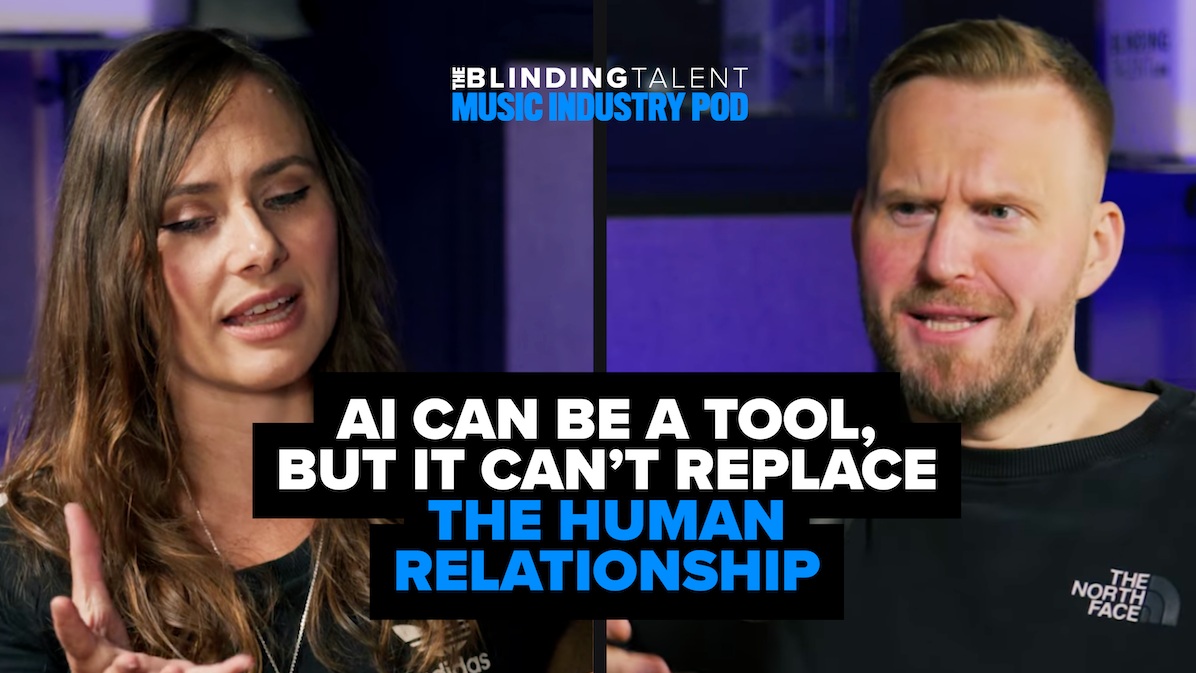
A former music publicist and artist manager, Reading-Gloversmith knows the industry from the inside. Before retraining as a person-centred experiential counsellor, she spent years immersed in the alternative music scene – running campaigns for over 100 releases through Inception Press and working closely with artists navigating the same pressures she would later help clients explore in therapy.
“It went from grayscale to colour,” she reflects of discovering her local music scene as a teenager. That DIY, get-on-with-it mindset carried her through touring, management, publicity and brand work. But it is also the mentality that often delays people in creative industries from asking for help.
In conversation with Blinding Talent founder Mark Adams, Lauren Reading-Gloversmith reframes therapy not as an emergency service, but as ongoing care. She likens mental wellbeing to tending a garden – something that benefits from regular attention, not just intervention at breaking point.
The episode explores a range of themes central to creative life today, including:
- Early warning signs of burnout and declining wellbeing, spanning emotional, physical, relational, creative and coping changes
- Why therapy is not “only for when things are bad”, and how it can function as a form of preventative self-care
- Identity and boundary challenges in a lifestyle industry, where work and pleasure, onstage and offstage roles, and colleagues and friends often overlap
- The nuanced impact of social media on artists, from genuine self-expression to pressure, performance and constant comparison
- The rise of AI in wellbeing support, including the potential benefits (reflection tools and triage), alongside serious safeguarding concerns
- What person-centred counselling looks like in practice, and why the relationship itself remains central
Social media and emerging technologies sit at the heart of the discussion. While digital platforms can offer connection and visibility, they can also intensify anxiety and self-surveillance. Reading-Gloversmith is clear that AI may have a role in supporting wellbeing, but should never replace human care or accountability.
Now working through her private practice, Speak To Lauren, she supports creatives and individuals exploring identity, change and neurodivergence – offering space beyond metrics, output and performance.
“The more openly we talk about mental health, especially within creative industries, the more we reduce stigma and remind people that everyone is worthy of support.”
Lauren Reading-Gloversmith