Young The Giant Discuss Victory Garden and the Power of Radical Empathy
Young The Giant X FAULT Magazine
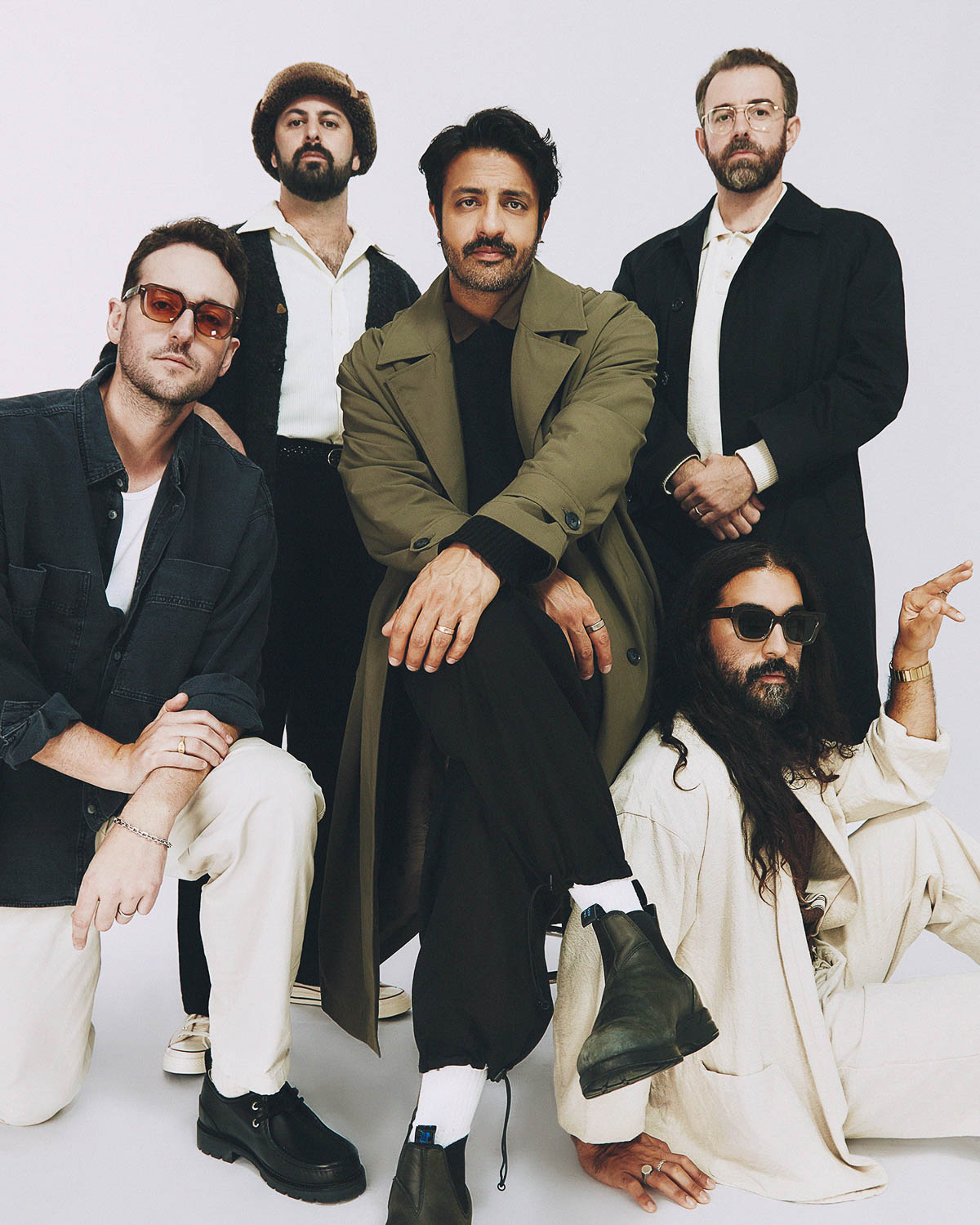
Eric wears his own shirt and hat, a cardigan by Hollywood Ranch Market, trousers by Wax London, and shoes by Converse. Francois wears his own glasses, a shirt and T-shirt by American Vintage, trousers by Wax London, and shoes by Duke & Dexter. Sameer wears a full look of his own, as before. Payam wears a shirt by Wax London, a suit by Hollywood Ranch Market, shoes by Sebago, and, in some images, sunglasses by A.Society. Jacob wears his own shirt, trousers and shoes, with a coat by Burberry sourced from Rokit Vintage.
Photographer: Eddie Blagbrough
Stylist: Charlotte Harney
Grooming: Margherita Fabbro
Styling Assistant: Victoria Lenczyk-Headley
Words: Miles Holder
As Young the Giant step into a new era with their sixth studio album Victory Garden, there’s a noticeable shift in both process and perspective. Out today (1st May) and produced by Brendan O’Brien, the record signals a creative reset for the band. Written and recorded together in real time at Henson Recording Studios, Victory Garden embraces a more instinctive, collaborative energy that harks back to their early days, while exploring themes of radical empathy, hope, and emotional resilience. FAULT Magazine sits down with the band to discuss rediscovering their creative core, navigating life beyond the studio, and why choosing compassion might be their boldest move yet.
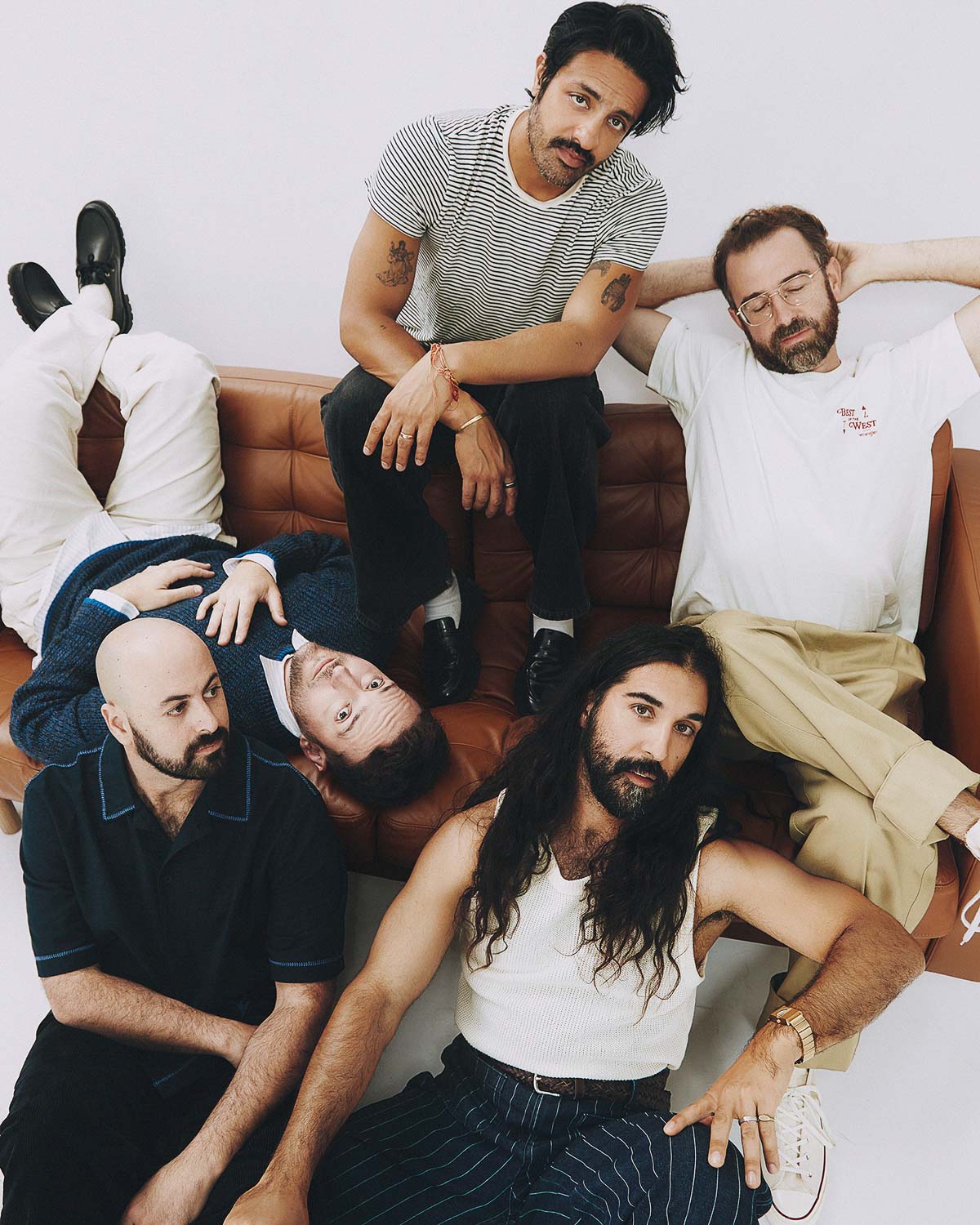
Sameer wears a T-shirt by Wax London, with his own trousers and shoes. Francois wears a shirt by TOAST, a jumper from Rokit Vintage, trousers by Wax London, and shoes by Duke & Dexter. Eric wears a shirt by Wax London, with his own trousers and Converse shoes. Payam wears a full look of his own. Jacob wears a T-shirt by Wrangler and trousers by Loro Piana at Designer.
FAULT Magazine: How did your writing process on this album differ from your previous releases?
Young The Giant: Our last record American Bollywood came out of a really strange time, during COVID, with each of us off in our own corners. We leaned on these song-a-day sessions where one of us would spark an idea and then pass it along, almost like a relay, but it all lived in this virtual space. It worked, but it wasn’t the same as being together.
This time, we really wanted to return to something more human. We made a conscious choice to get back in a room, just the five of us, the way we used to when we first started, when we were living together, figuring ourselves out as a band and as people. Now everyone’s got their own lives, families, kids, so we carved out time to go on these writing retreats, staying together in Airbnbs, reconnecting not just as collaborators but as friends, like brothers again. We also tried to let go a bit. Not overanalyse every idea or chase perfection to the point where it loses its spirit. There was a real effort to trust instinct and keep things alive.
Working with Brendan O’Brien felt like a natural extension of that. The moment he said he wanted to record us live in a room, quickly, without overthinking it, that was it. It felt aligned with everything we were trying to rediscover.
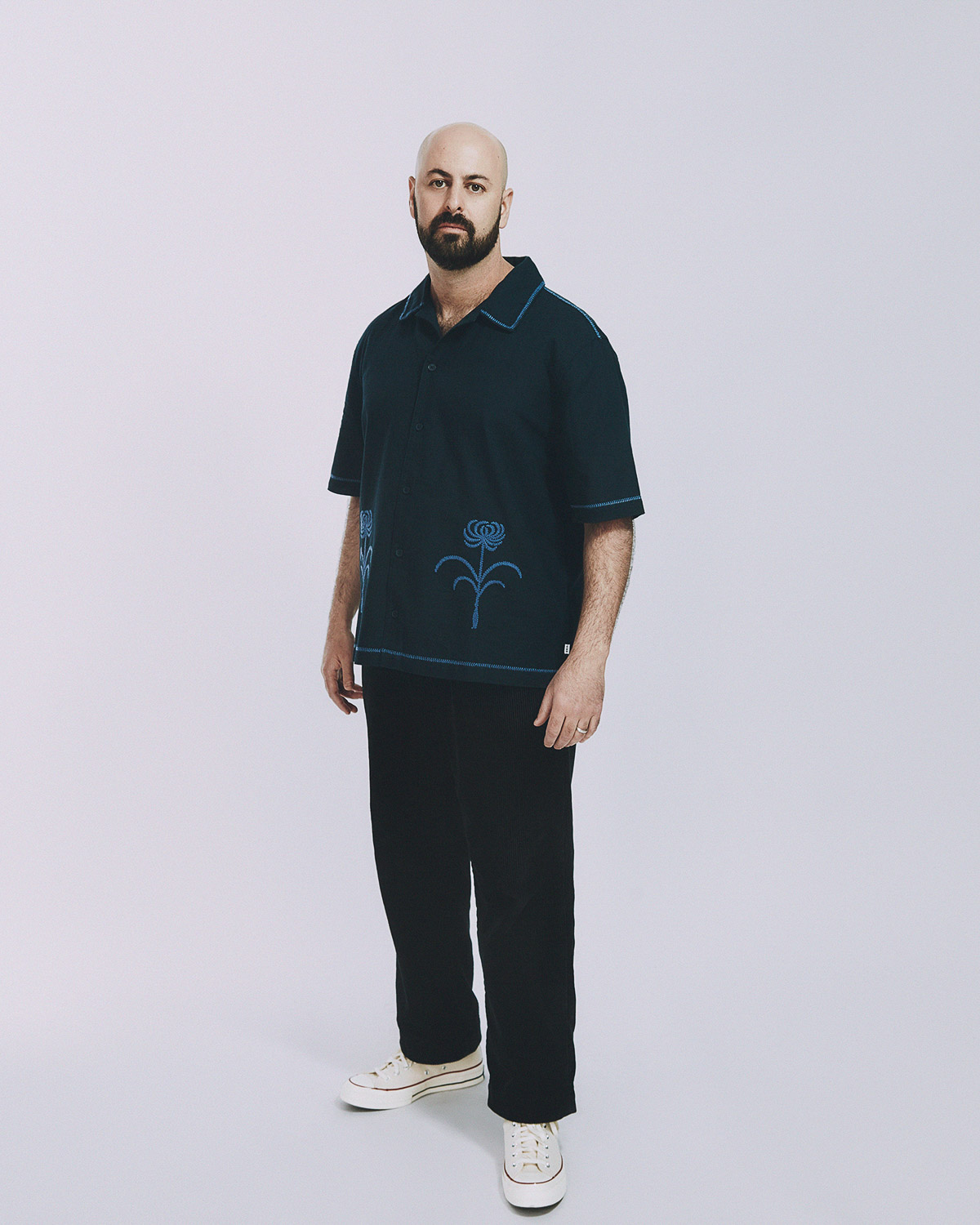
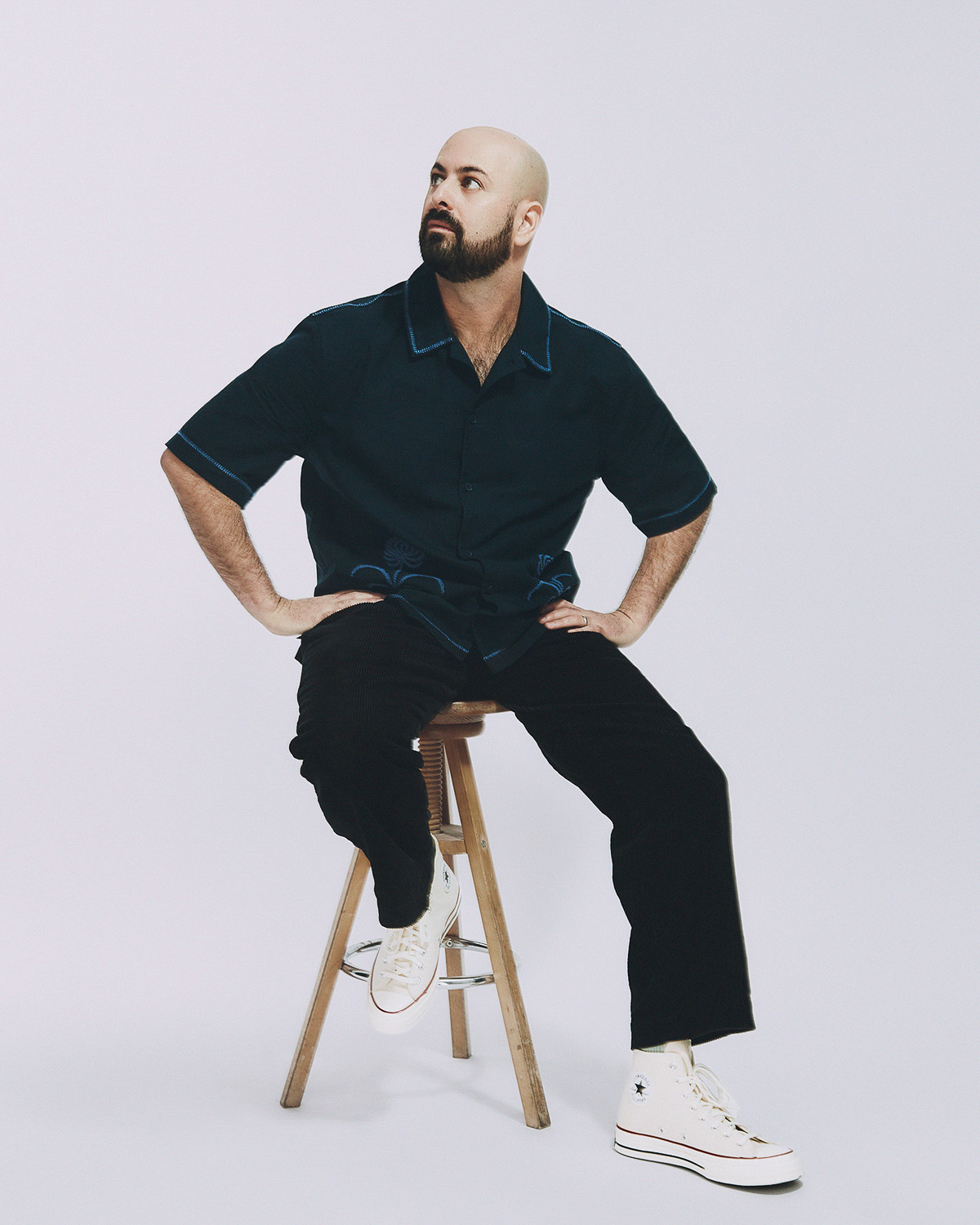
Shirt, Wax London Trousers, Eric’s own Shoes, Converse
FAULT Magazine: What inspired Different Kind of Love?
Young The Giant: Different Kind of Love isn’t about the easy version of love, the kind that arrives with butterflies and disappears just as quickly. It’s about the deeper, more complicated kind. The one you have to choose, again and again. The one that asks for patience, empathy, and real understanding. It’s a song about love that’s been lived in, tested, imperfect, but still growing. Like something fragile finding its way through concrete, it’s about holding onto hope even when things feel heavy or uncertain.
In a world that feels inundated with division and uncertainty, this song is an invitation to stay open, to lead with empathy, and to believe in that kind of love anyway. Because sometimes, choosing to love without conditions, especially when it’s hardest, is the most radical thing you can do.
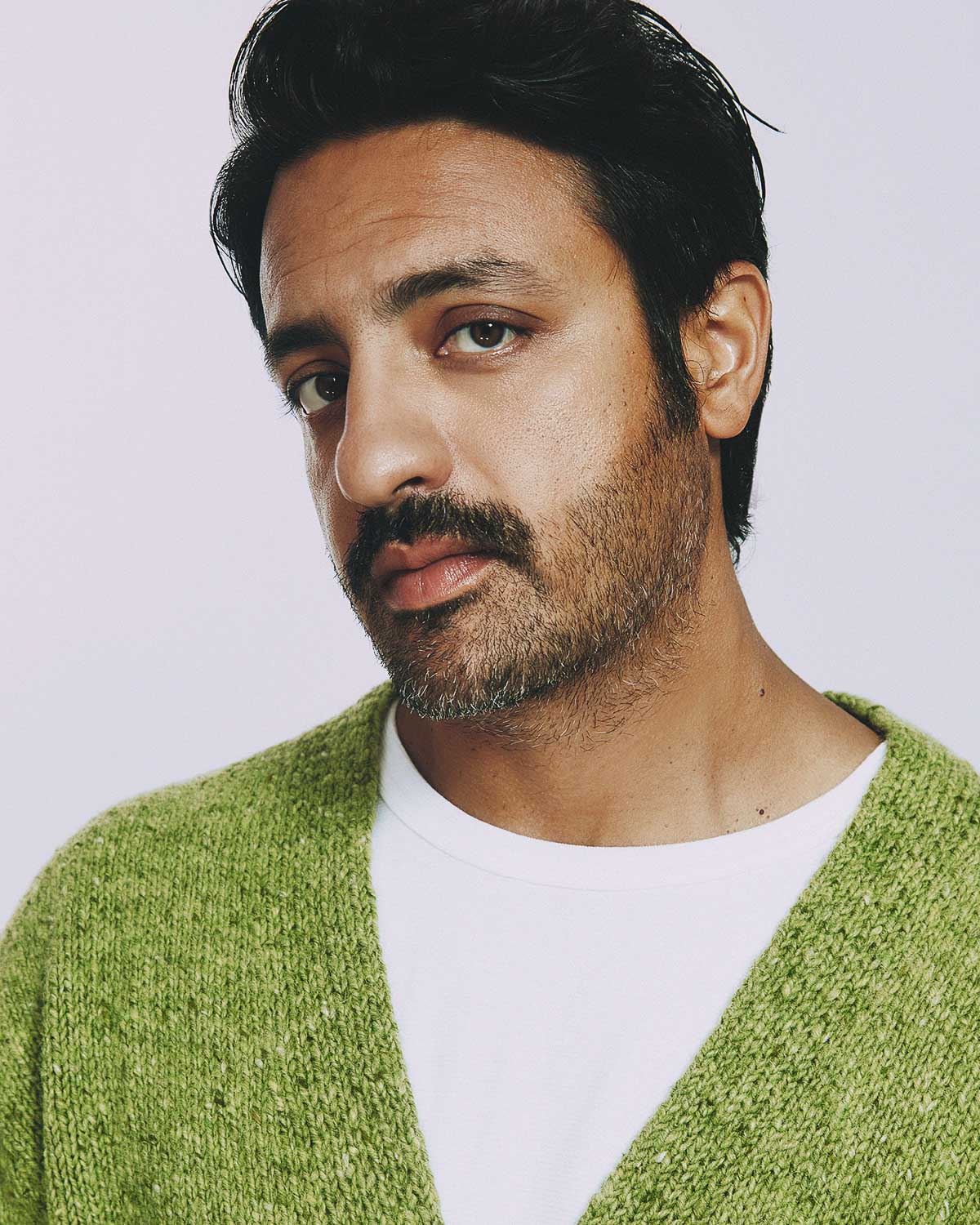
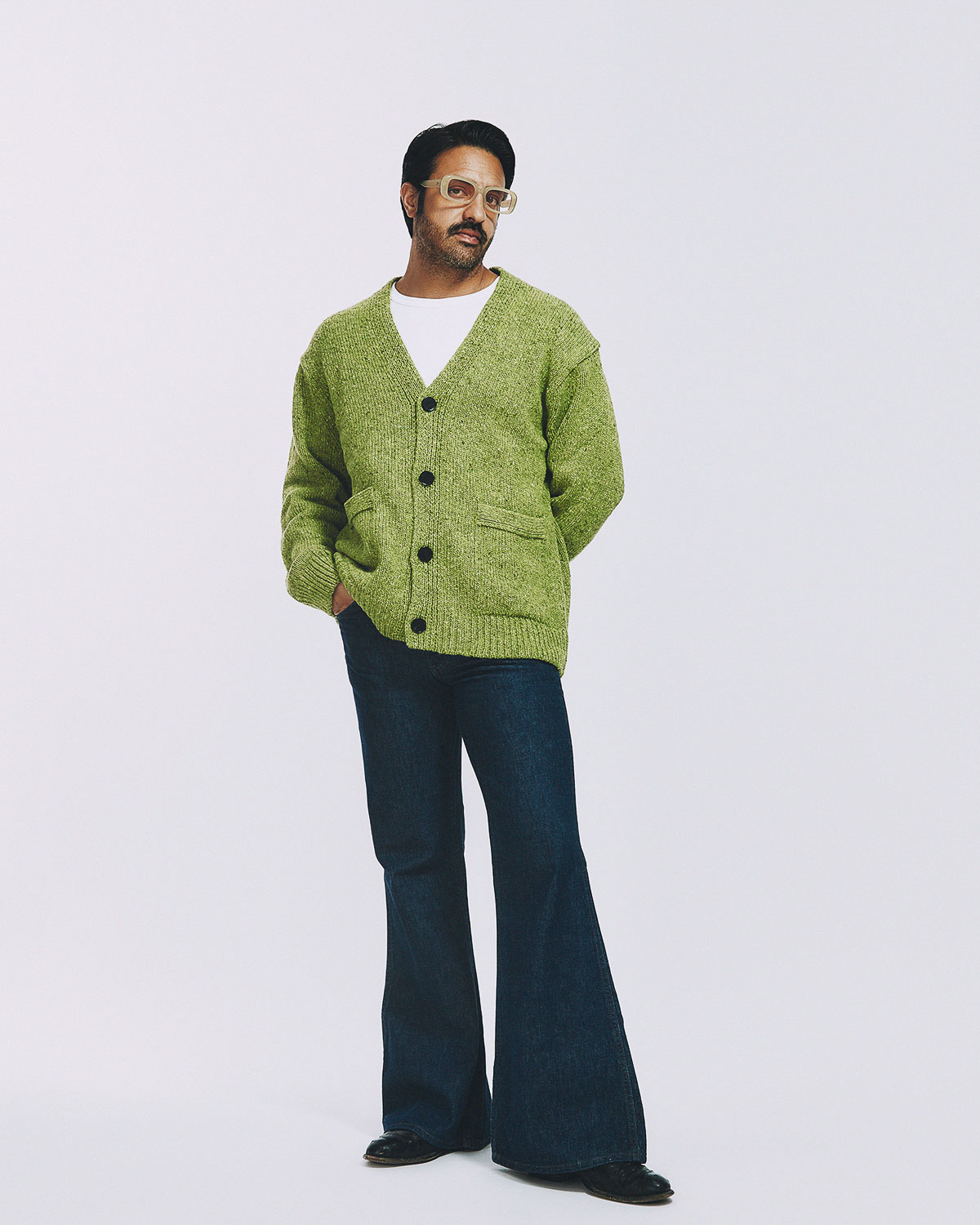
Cardigan, Toast Tshirt, Hollywood Ranch Market Jeans, Sameer’s own Shoes, Sameer’s own Glasses, Sameer’s own
FAULT Magazine: Is there a narrative thread that runs throughout the album? If so, how would you describe it?
Young The Giant: This album is our ode to radical empathy, choosing love over fear, and viewing the increasingly chaotic world through the eyes of a child. It’s about having hope for a better future and taking action to help that become a reality.
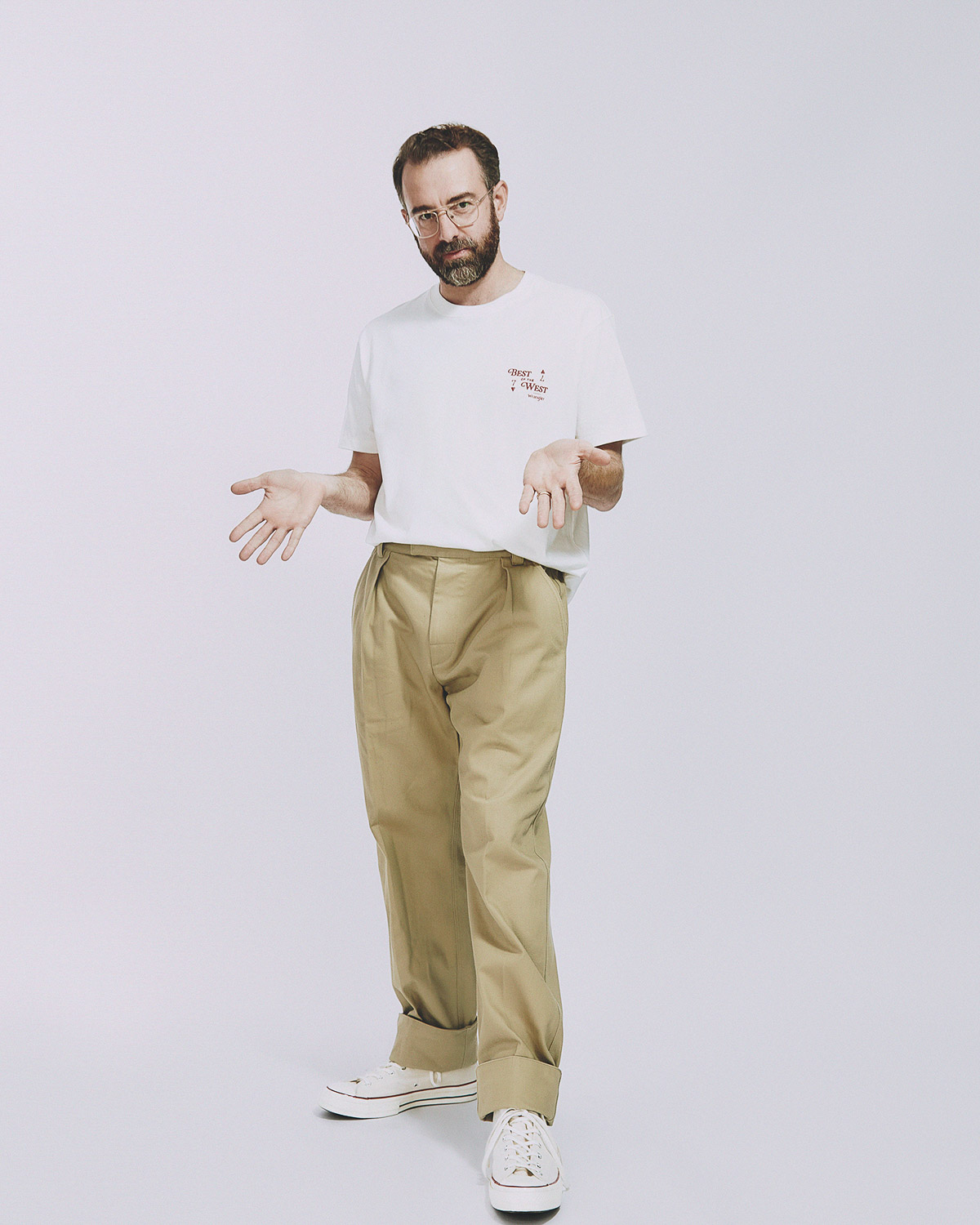

T-shirt, Wrangler Trousers, Loro Piana at Designer Exchange Shoes, Converse
FAULT Magazine: There’s a strong sense of hope across the record, particularly on This Too Shall Pass. Was that a conscious decision, or did it emerge naturally during the writing process?
Young The Giant: I think it’s a little bit of both. As we started to write this record, our goal was to be as present as possible with each other and write from our intuition to see what came naturally. As we got further into the writing process, we started noticing recurring themes. The feeling of hope emerged naturally because it was something we as a band felt we needed ourselves, to help us navigate turbulent times internally and externally. We are inundated with bad news, AI, endless doom-scrolling, natural disasters, and an increasingly polarising political landscape in our country and around the world. Themes of hope, empathy, love over fear, and viewing the world through the eyes of a child arose because it’s what we were craving and trying to focus on.
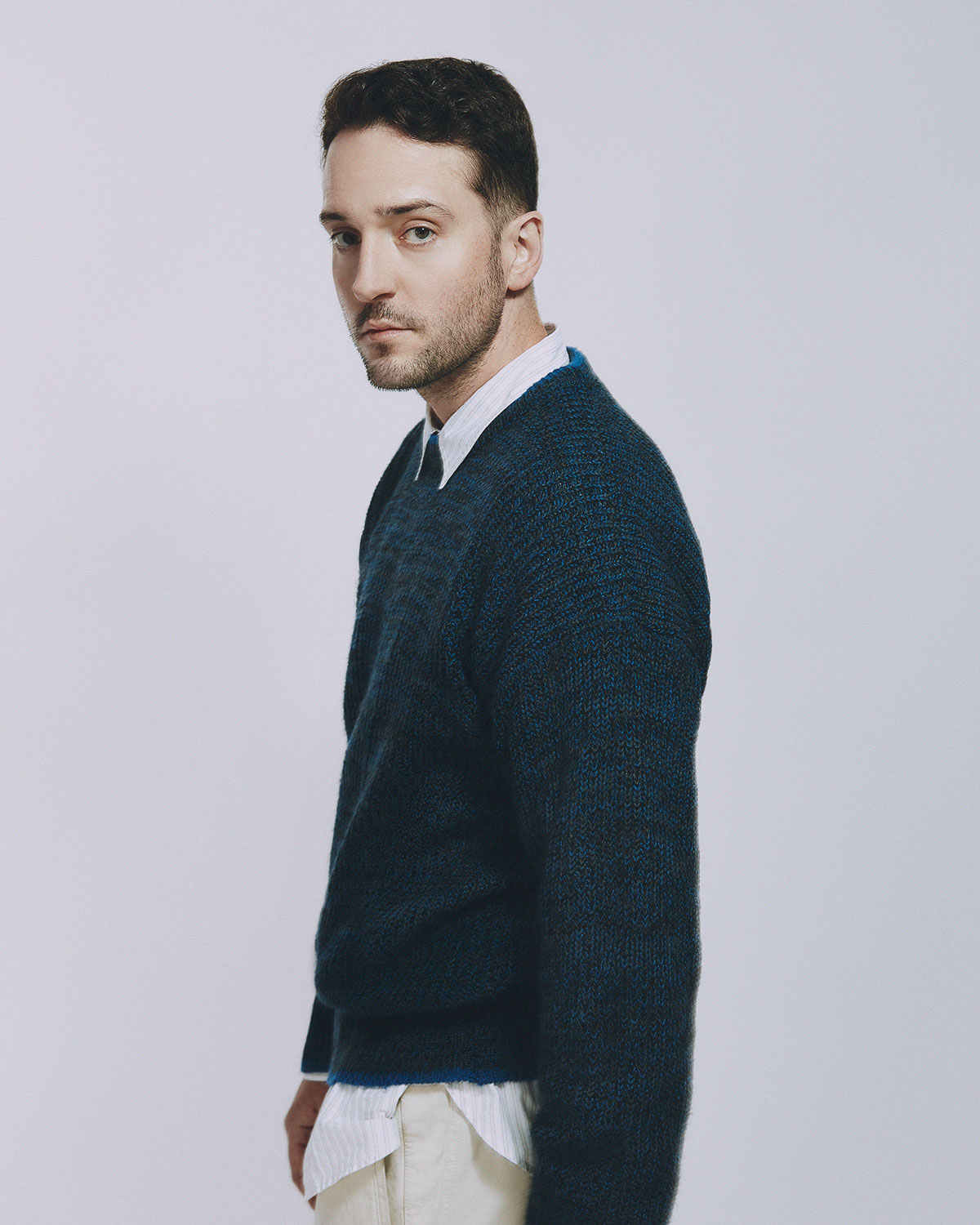
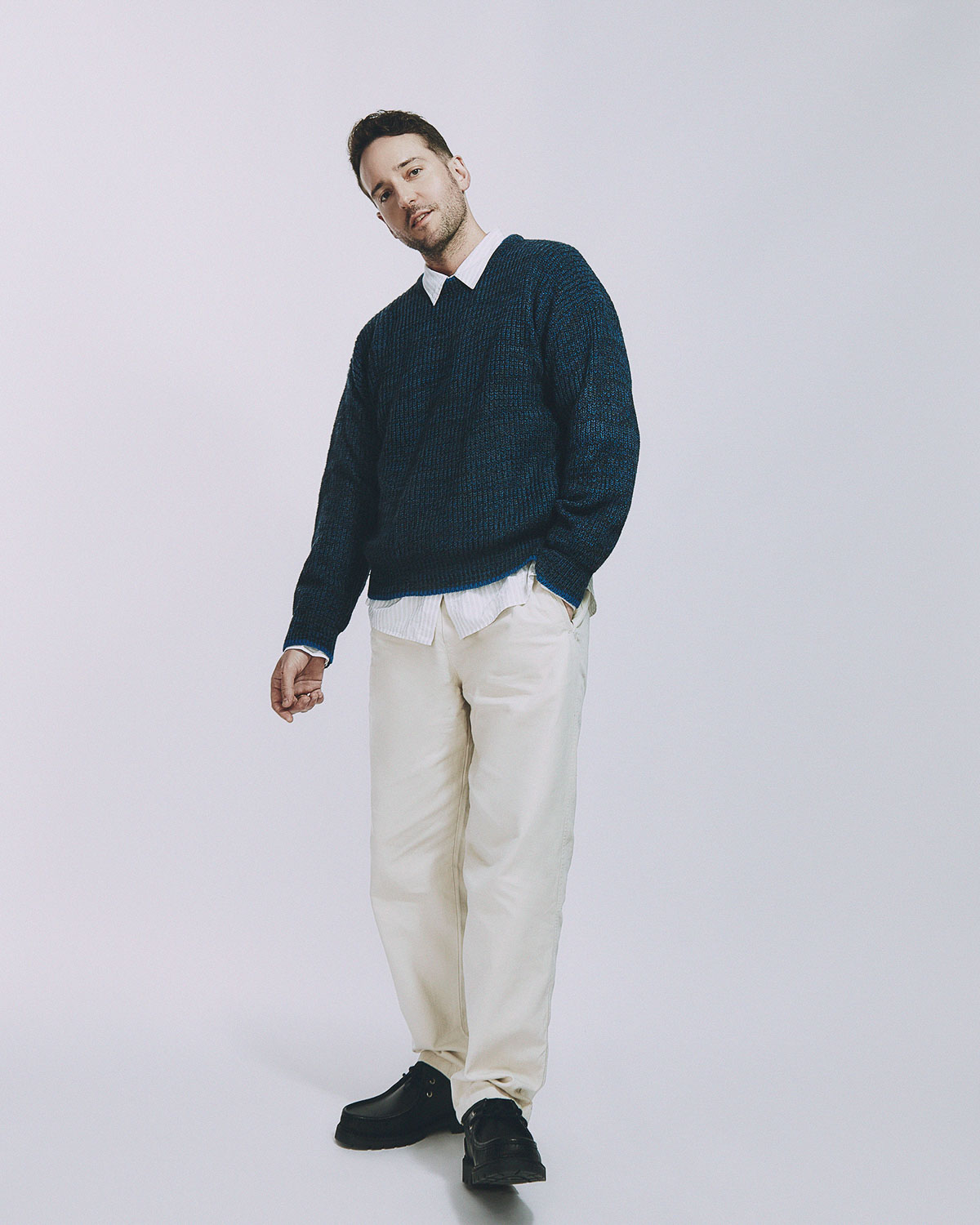
Shirt, Toast Jumper, Rokit Vintage Trousers, Wax London Shoes, Duke & Dexter
FAULT Magazine: What was the biggest challenge you faced while making this album?
Young The Giant: Our biggest challenge was the whirlwind of day-to-day life at home. All five of us are married now, and most of us have kids, a very different landscape from when we were teenagers making music. We all recognised the demands of home life and decided to book writing retreats close, but not too close, to home. Out in Idyllwild and Joshua Tree, we broke bread, caught up as brothers, and planted the seeds of Victory Garden.
FAULT Magazine: The album has been described as a “creative reset” – what did you have to unlearn in order to move forward?
Young The Giant: For Victory Garden, we felt the pull to get back to how we made our earlier records, but with the experience of doing this for almost 20 years together. We’ve noticed a pattern of overthinking while writing and recording, and with this new record, we wanted to consciously combat that. Writing out in nature, leaning into intuition, and working with Brendan O’Brien, whose approach helped us stay in a flow state, all played a part in breaking that habit.
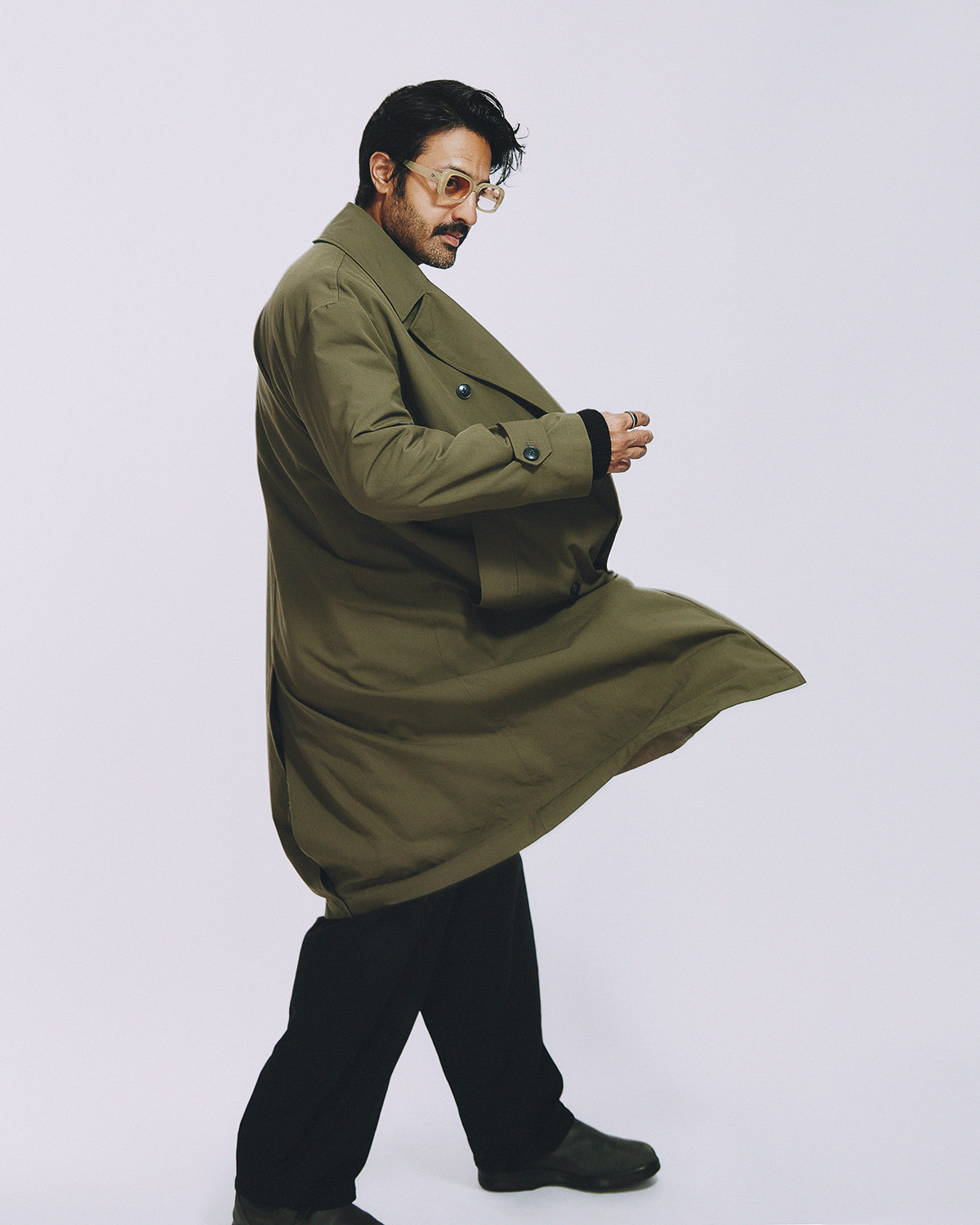
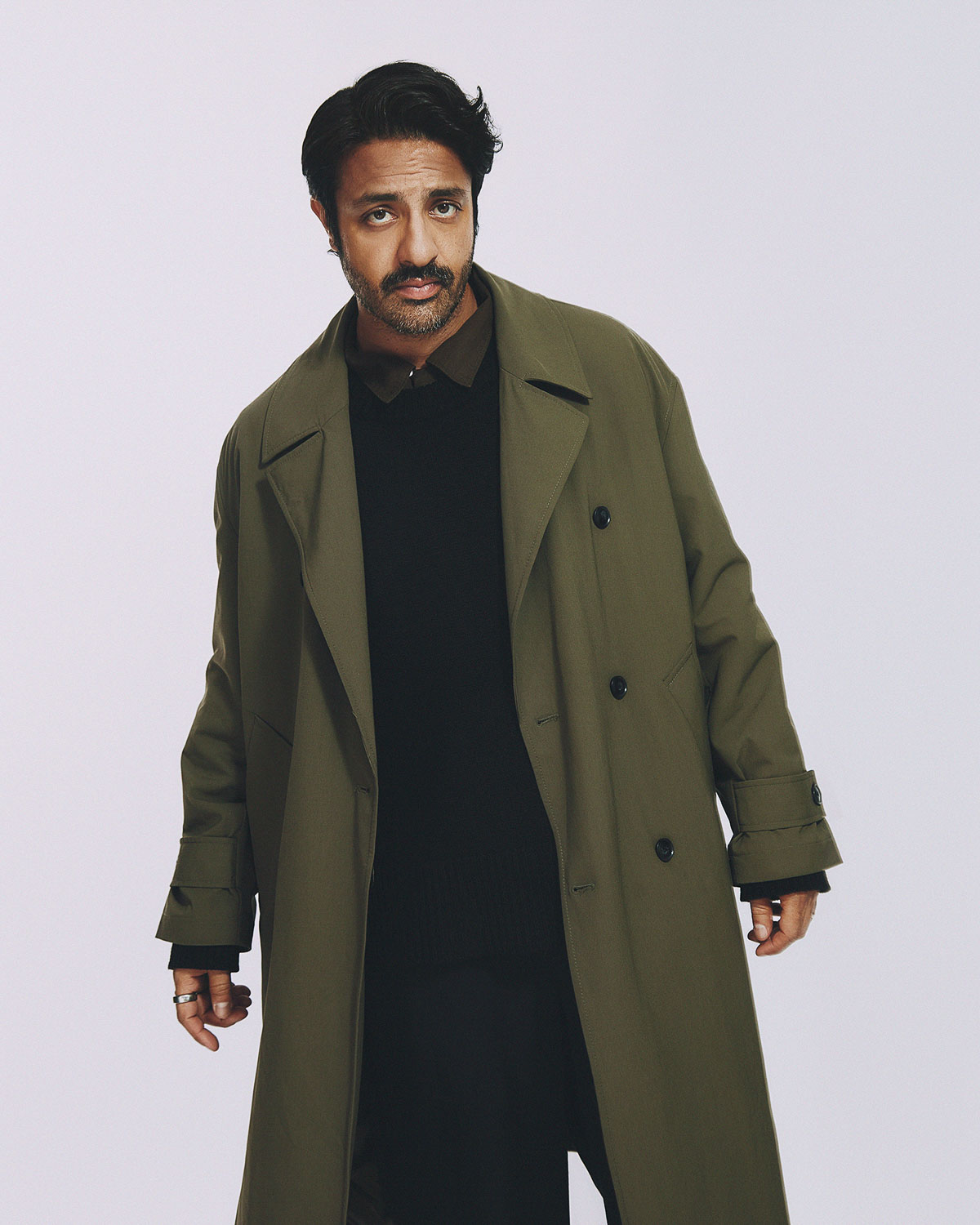
Full Look, Sameer’s own
FAULT Magazine: What inspired Are You With Me?
Young The Giant: Are You With Me? is an internal plea to get out of our self-destructive minds and into the present moment. It’s an existential song about epiphany, and the very human impulse to seek comfort and validation that we are not alone in this painful but beautiful and surreal life. The song was written in our collective studio in Los Angeles, and the sonics and structure felt true to the lyrics, shifting from a calmer first half into a bridge that feels frenetic and desperate for release.
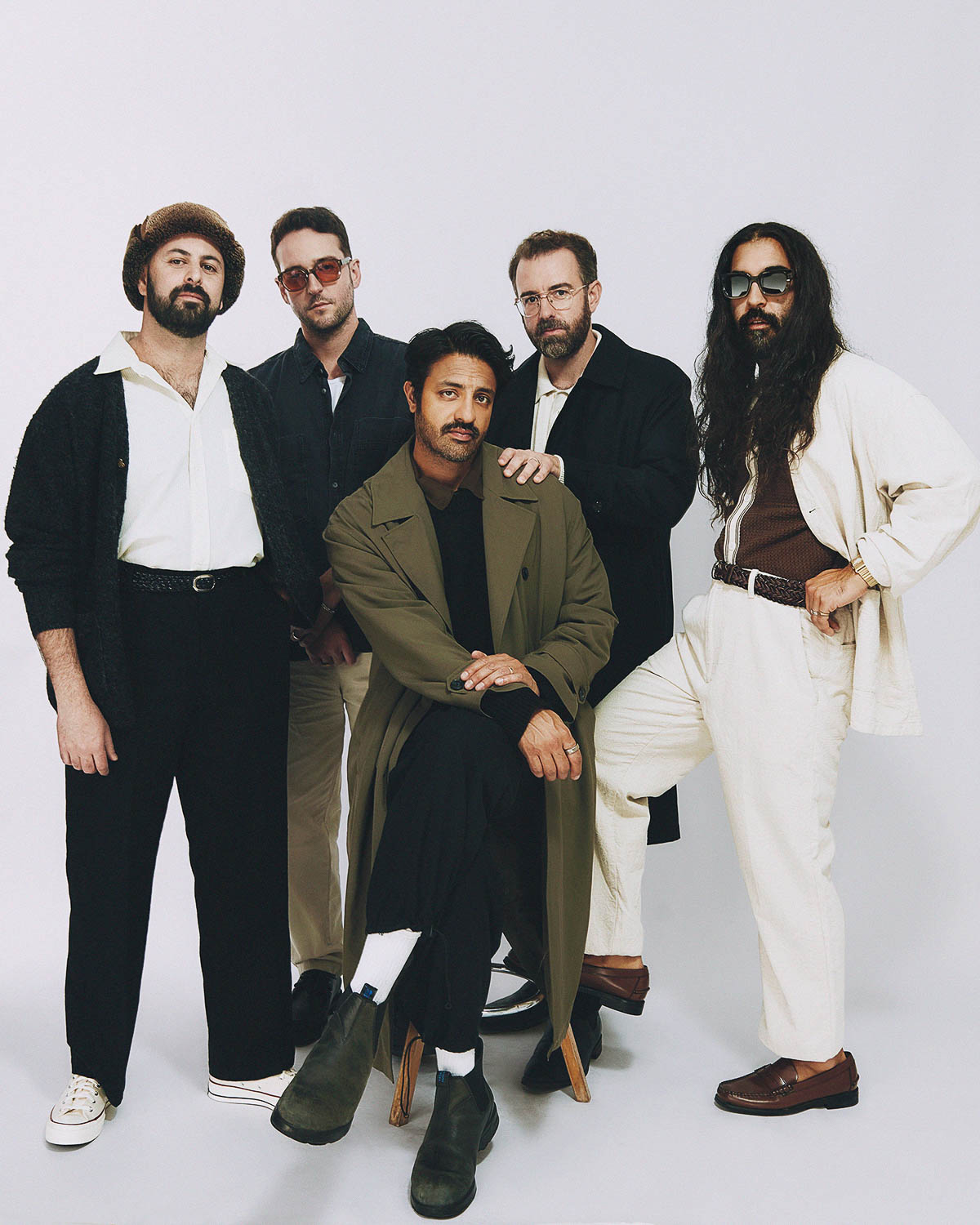
FAULT Magazine: After 15 years as a band, how do you avoid falling into creative patterns while still honouring the sound your audience connects with?
Young The Giant: We naturally approach every record differently because each one has its own unique circumstances. For Victory Garden, taking writing retreats in nature helped us reconnect as friends and focus on writing from an intuitive place. The best way we can honour our audience is by being ourselves as much as possible. The way we create together is special, and capturing the energy of all five of us in a room is very true to who we are.
FAULT Magazine: What do you hope listeners take away from this album?
Young The Giant: I hope people connect with the idea that there’s still so much good in the world if you seek it out. The economy of attention we live in is most effective when it keeps us fragmented and afraid. I don’t want to downplay the issues we’re facing, but I think humanity has more power to create positive change than many would like us to believe. We gravitated towards the garden as a symbol because it starts as a small choice, but has the ability to grow beyond perceived boundaries if it’s nurtured.
FAULT Magazine: What is your FAULT?
Young The Giant: Even after 15 years of making music together, we still have a tendency to second-guess our instincts. It’s easy to overthink and intellectualise every creative decision, but looking back, the things we regret are often the moments we ignored that inner voice. In contrast, every triumph has come from trusting our collective instincts. For this album, we made a decision early on to tap into a beginner’s mindset and trust our gut instead of our anxiety.