7 Days in Switzerland: A Private Luxury Itinerary Through the Alps
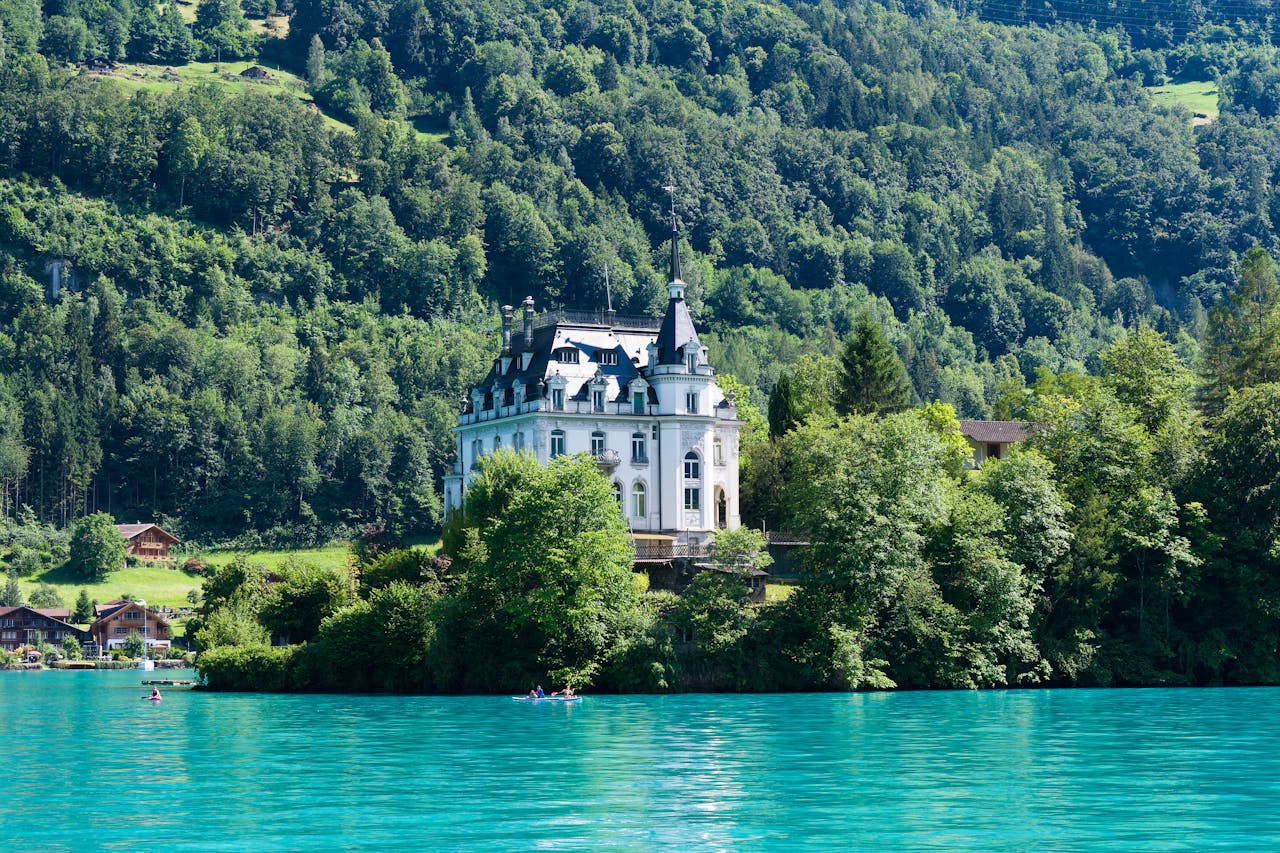
Switzerland doesn’t need much introduction, but experiencing it fully does take some planning. Distances are short, yet each region feels distinct. In 7 days, it’s possible to move between cities, lakes, and high alpine towns without rushing, especially with private transfers and well-timed rail journeys.
This itinerary centres on destinations that offer comfort, access, and depth, including Zurich, Lucerne, St. Moritz, Zermatt, and Geneva. The key is allowing enough time in each stop to notice the details, from old town streets to lakefront walks and the way the mountains frame each village.
Arrival and Bespoke Exploration in Zurich
Zurich works well as a starting point, with everything running efficiently. The airport sits close to the centre, and within half an hour you can be walking along the Bahnhofstrasse, where the city feels polished but not overwhelming. Turn off towards Augustinergasse and the atmosphere shifts to narrow streets, painted shopfronts, and quieter corners where locals live.
Spend time around the Altstadt, especially near Lindenhof Hill, where visitors pause for views over the Limmat River. Along Limmatquai, bookshops, galleries, and small squares appear without warning. If the weather holds, a walk from Bürkliplatz along the lake offers a clearer sense of how Zurich spreads out, with the Alps faint in the distance on clear days.
For a more exclusive experience, it helps to find day tours from Zurich designed for smaller groups or private travel. These take you beyond the city, towards Appenzell for traditional villages or to the Rhine Falls early in the morning before it gets busy. Having someone who knows when to arrive and where to stop along the way makes a noticeable difference.
Scenic Private Rail Journey to Lucerne
The journey to Lucerne is short, but it sets the tone for what travel in Switzerland can feel like when it’s done well. Trains leave regularly from Zurich Hauptbahnhof, and first-class carriages are quiet, with large windows that make the most of the changing landscape. Within an hour, the setting shifts from urban edges to open countryside and glimpses of water.
Lucerne feels compact. The old town sits along the Reuss River, with Chapel Bridge crossing at an angle. Walking through early in the day helps you avoid heavier foot traffic, and the painted panels inside are worth a closer look. Just nearby, the water tower anchors that stretch of the river and serves as a useful reference point when finding your way around.
The lake is where people tend to spend longer than planned. Boats leave from near the main station and head out towards Weggis or Vitznau, passing houses tucked along the shoreline and wooded slopes that rise quickly behind them. Back in town, the Lion Monument is a short walk away, set into a rock face in a quiet park.
Alpine Wellness and Serenity in St. Moritz
St. Moritz sits at a higher altitude, and the air feels noticeably different when you arrive. The town has a reputation for winter, but it holds its own in the warmer months when the lakes thaw and the walking paths open up. St. Moritz Lake runs right alongside the town, and it’s common to see locals walking the full loop early in the morning.
The centre has a mix of boutiques and historic buildings, but it’s worth stepping slightly away from the main street. Head towards Via Serlas and then continue on foot towards the quieter residential areas where the pace drops. The views open up more here, especially looking across to the Engadin Valley, where the landscape stretches out in a way that feels less enclosed than other alpine towns.
Wellness plays a central role here, with many hotels drawing on the region’s long-standing spa culture. Mineral baths, saunas, and outdoor pools are common, often set to take in the surrounding peaks. Many visitors spend a full afternoon moving between them, especially after time outdoors.
Exclusive Glacial Adventures in Zermatt
Zermatt is car-free, which changes the atmosphere straight away. Electric taxis move quietly through the streets, and most people get around on foot. The Matterhorn sits just beyond the town, and it becomes a reference point no matter where you’re standing. It’s visible from the Kirchbrücke bridge, which is one of the better spots for photos early in the morning.
The Gornergrat Railway is one of the main draws, and it’s worth taking the first departure if possible. The train climbs steadily, passing through forests before reaching open ground where the views expand across multiple peaks and glaciers. At the top, you can walk short trails without needing technical equipment, and the air feels noticeably thinner.
Back in the village, the older part of Zermatt around Hinterdorfstrasse offers a glimpse into its past. Wooden chalets, some raised on stone slabs, sit close together along narrow lanes. For something more active, guided glacier walks are available during the season, often led by experienced mountain guides who know the conditions well. It’s a different experience from simply viewing the landscape from a distance, and it adds context to everything you’ve seen from below.
Lakeside Grandeur and Fine Dining in Geneva
Geneva has a different feel from the Alpine towns. It’s more international and slightly formal in parts, but still easy to settle into. Lake Geneva dominates the setting, and the Jet d’Eau is visible from much of the waterfront. Walking along Quai du Mont-Blanc gives you a clear view back towards the old town, especially late in the day when the light softens.
The old town of Geneva itself sits on a hill, with cobbled streets that lead up towards St Pierre Cathedral. Climbing the tower is worth the effort, not for the distance but for the angle it gives you over the rooftops and the lake beyond. Place du Bourg-de-Four is one of the oldest squares in the city, and it’s a good place to pause before continuing through the surrounding streets.
Carouge, just across the Arve River, feels slightly separate from central Geneva, with a grid layout and pastel buildings that reflect its history. Back by the lake, boat rides head towards Montreux and the Lavaux vineyards, where terraces line the hillside above the water.
Ready to experience Swiss luxury firsthand?
A week across Switzerland doesn’t feel rushed when the journey is planned with some care. Each stop offers a different perspective, from Zurich’s compact centre to the quieter edges of St Moritz and the heights of Zermatt. The distances work in your favour, and the transport system supports that. Moving between very different environments rarely feels time-consuming. With the right balance of private experiences and time on the ground, it becomes less about covering distance and more about noticing the details that truly matter.