The Aintree Weekend Rituals Fans Plan Months Ahead
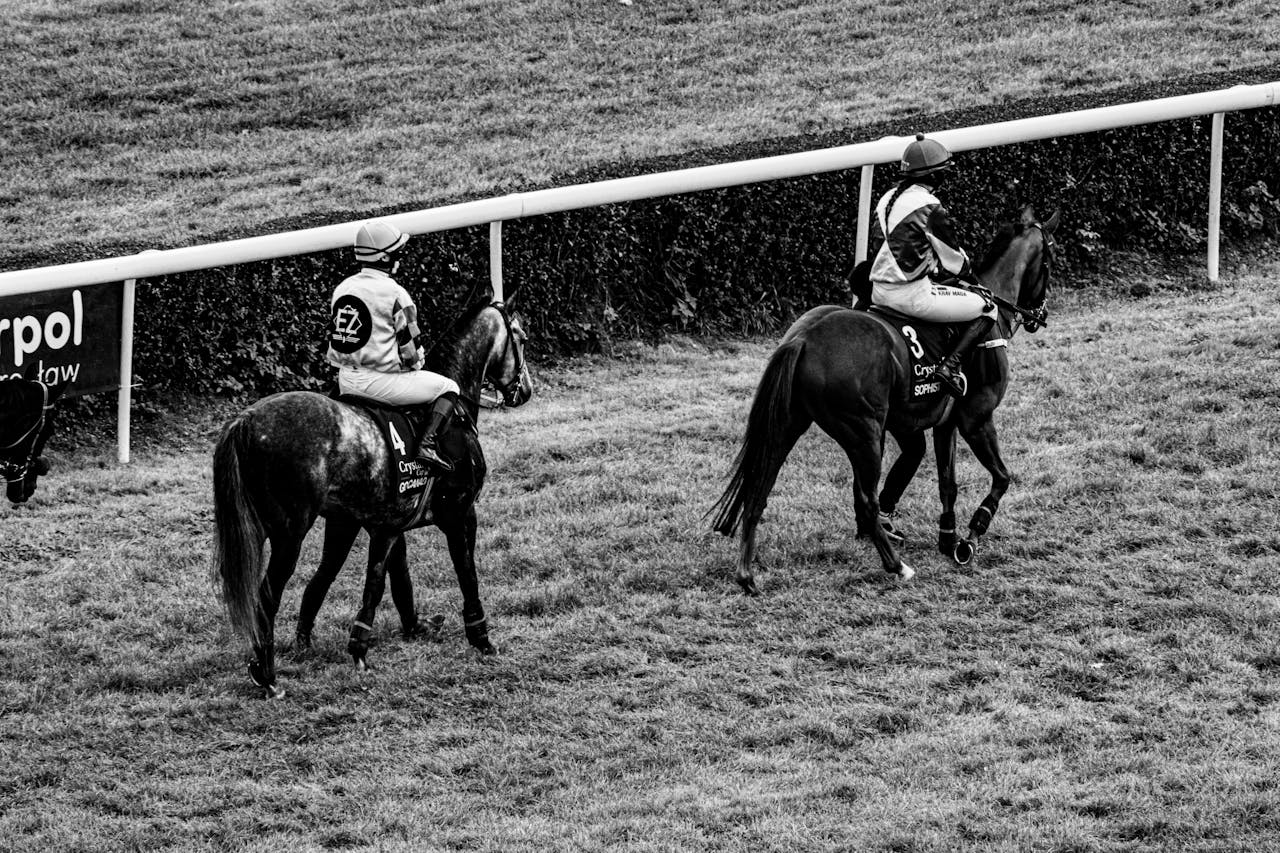
Every April, thousands of racing fans mark their calendars for the same three-day stretch. The Aintree Grand National meeting draws crowds who’ve planned their outfits, booked their hotels, and mapped out their betting strategies months in advance. For many, it’s not just about the race itself, it’s about the traditions that surround it.
Some groups return to the same pub year after year, claiming the same corner table before the first race. Others spend weeks debating which runners offer the best value, tracking form guides and studying the going reports. The build-up becomes as much a part of the experience as the roar when the tape goes up.
Friends coordinate travel from different cities, families book the same accommodation, and workplaces quietly accept that certain desks will be empty come Friday afternoon. The weekend has a rhythm that regulars know by heart. There’s the early arrival to secure a good spot, the careful selection of bets across the card, and the post-race analysis that stretches into the evening.
It’s a blend of tradition, anticipation, and the shared thrill of watching 40 runners tackle the most famous fences in racing. For those who’ve been going for years, the planning starts almost as soon as the previous year’s race finishes.
The Fashion Countdown That Starts in January
Many attendees begin planning outfits months before the event, treating it as a major fashion occasion. Ladies Day has become a highlight for millinery and formal wear. Hat designers often see increased orders from January onwards, with boutiques across Liverpool noting that their order books can fill up early in the year. The demand shows how seriously attendees take the fashion element of the weekend.
Social media groups dedicated to Aintree fashion share outfit ideas and coordinate group themes. Members post photos of previous race day outfits, request feedback on accessories, and share details on where to find limited-edition hats well ahead of the main event. These forums help newcomers decide on styles that fit Aintree’s dress codes while longstanding members organise colour themes for groups.
Pre-Race Traditions and Superstitions
Sweepstakes at workplaces and social clubs begin weeks before the race. Some offices have run the same format since the 1980s. Names are drawn from a hat and small stakes are pooled across the team. The ritual of the draw often generates more excitement than the race itself, with colleagues debating the merits of each runner long before race day arrives.
When it comes to selecting a horse, methods vary widely. Some fans study form guides for weeks, tracking each runner’s recent performances and assessing the going conditions. Others choose purely based on the name, picking whichever horse sounds most appealing on the morning of the race. The tradition of backing an outsider for fun remains widespread, with bookmakers reporting strong interest in longshots.
Those researching betting markets can use resources such as grand national betting odds to help inform their selections. Many regulars make it a habit to check which runners are priced at 25 to 1 or longer before making their final picks. Some attendees visit the same pub or restaurant before heading to the course each year, keeping these pre-race routines consistent across decades.
Group Bookings and Annual Reunions
Many groups book hospitality packages or grandstand tickets immediately after one year’s event ends. The weekend serves as an annual reunion for friendship circles, work colleagues, and family gatherings. Some groups have attended together for over 20 years, creating multi-generational traditions that anchor the calendar year. These ongoing arrangements show the event’s role as a social fixture beyond the racing itself.
Hospitality venues often see a large proportion of bookings from repeat customers who return each year. Groups frequently secure tables or suites for the following year before leaving the course. This pattern provides consistency and supports the event’s reputation as an annual highlight for social gatherings across the North West. Venue managers confirm that certain groups have occupied the same tables for decades.
For many groups, the Grand National weekend stands as a fixed point in the calendar. Friendship circles that have moved to different cities use it to reconnect. Work colleagues who rarely socialise outside the office find themselves sharing a table in the same hospitality suite year after year. The social aspect often becomes more important than the racing itself for many attendees.
The Liverpool Weekend Experience
Many visitors extend their trip to enjoy Liverpool’s music and cultural scene. Hotels often see three-night bookings as standard during Grand National weekend, with guests typically arriving Thursday and leaving Sunday. The city becomes an extension of the event itself, with restaurants and bars seeing notable increases in bookings across the weekend.
Beatles tours, waterfront dining, and live music venues become part of the extended Aintree ritual for many groups. The city’s wider cultural scene attracts visitors beyond the racecourse. For groups travelling from outside the North West, the trip combines sport with a genuine city break. Museums, galleries, and historic sites often report increased visitor numbers during the race weekend.
Local businesses estimate that the event brings a significant economic boost to the region each year. The combination of sport, fashion, and city culture shapes a unique British weekend tradition. Liverpool’s lively atmosphere during Grand National weekend shows how the event has become part of the city’s culture each spring, shaping booking patterns for hotels, restaurants, and transport across multiple sectors.