Mckenna Crisp on Strength, Skin and Self-Acceptance For FAULT 33
Mckenna Crisp X FAULT Magazine Preview
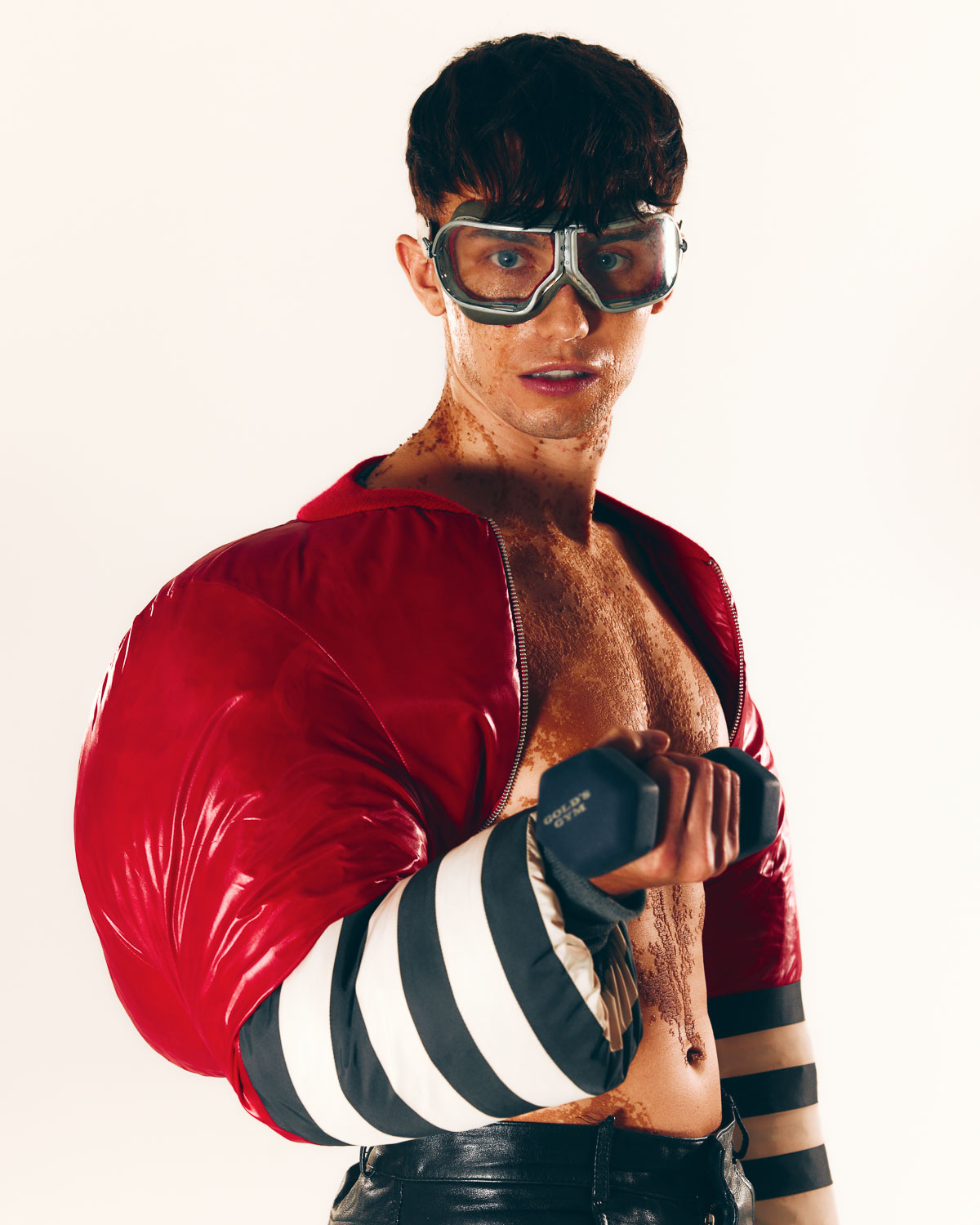
Photography: Massimiliano Giorgeschi
Stylist: Alice Secchi
Grooming: Lucy Thomas
Editor-In-Chief & Interview: Miles Holder
Men’s health and fitness culture can feel dominated by hyper-masculine “manosphere” ideals and unrealistic expectations but it doesn’t HAVE to be that way…Mckenna Crisp represents a more considered alternative. Initially rooted in body positivity and shaped by his experience with a visible skin condition, Mckenna’s journey reflects a wider conversation around identity, mental health and what it actually means to feel comfortable in your own body.
For many navigating both their physical health, the gym can be either a place of empowerment or quiet pressure but Mckenna’s content shows strength doesn’t have to come at the expense of vulnerability, and that self-worth isn’t measured in aesthetics. In this conversation, Mckenna Crisp reflects on that journey: from comparison and self-doubt to a more grounded understanding of health, happiness, and identity, on his own terms.
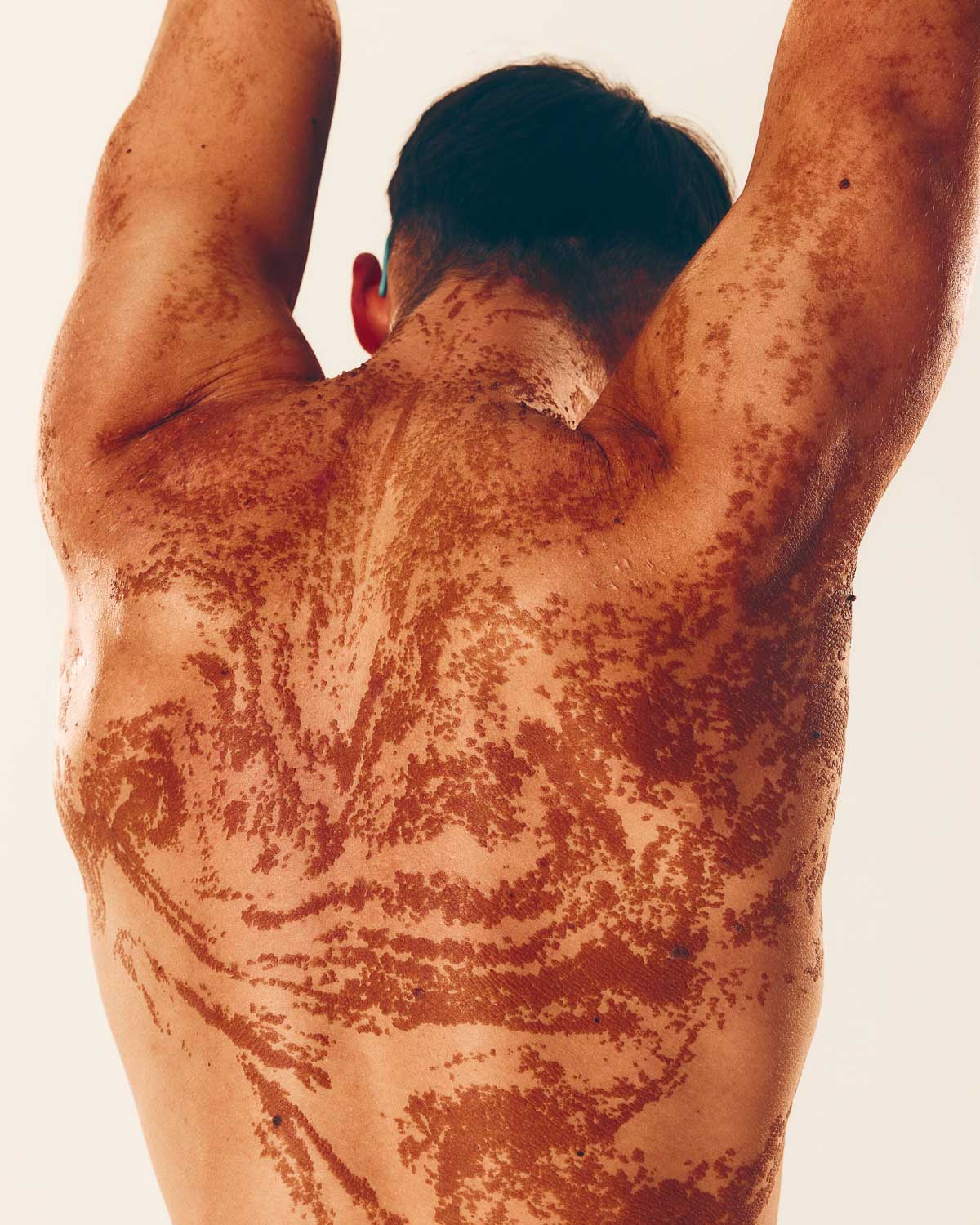
You’ve spoken about your skin condition and fitness journey. How has your relationship with your body evolved since you first started posting?
I’d say the two things really went hand in hand. I struggled a lot with accepting my skin, but at the same time, I got into the gym. The gym became an outlet for me, not in a way where I felt like I needed to change myself, but more as a way to build confidence and appreciation for my body.
Working on myself physically also helped my mindset. It gave me purpose and motivation to take better care of myself and feel more comfortable in who I am.
What does feeling good in your body mean to you now?
It’s definitely changed. At the start, it was more about looking a certain way, being lean or “shredded”. Now, it’s more about feeling good and being healthy. I see my body more as something I need to look after, like a temple. Fitness for me now is about maintaining my health and feeling good, rather than chasing a specific aesthetic.

The fitness space can sometimes be seen as quite toxic, especially for young men. Was that something you experienced when you were creating fitness content?
At the start, I was definitely aware of that stigma, especially as a gay man entering that space. I felt like I might have to fit a certain mould to be accepted.
But over time, I realised I didn’t want to force myself into a community that might not fully accept me. So I decided to just do my own thing and build my own space. There’s definitely a pressure in the fitness industry to look or act a certain way, and social media can distort what’s realistic. But by focusing on my own content and community, I’ve created a space that feels much more positive and inclusive.
How are you with setting boundaries and privacy as someone that posts regularly online?
I think something people wonder I’m not overly open about certain aspects of my identity, like my sexuality. For me, it’s just not something I feel needs to be a big announcement. I’m just me. If people know, they know. I don’t feel the need to make it a defining part of my content. I think we should normalise that more — it doesn’t always have to be a big moment or explanation.
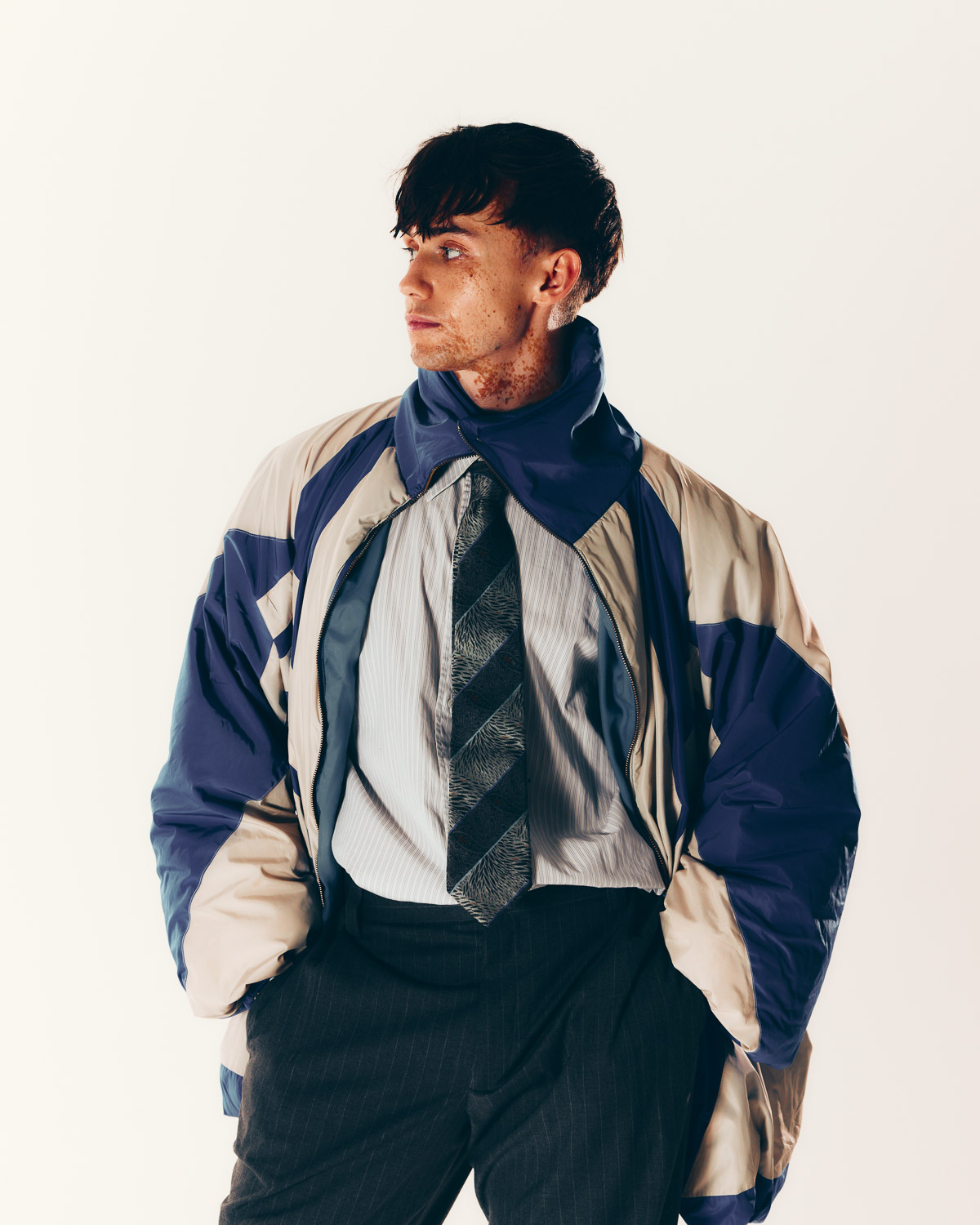
What is your FAULT?
I’d say comparison. It’s something I’ve struggled with for most of my life, comparing how I look, where I am in life, and what I’ve achieved to other people. It’s something I’m still working on, but I’ve learned that it’s a very human thing. Comparison really is the thief of joy, and it’s important to focus on your own journey rather than someone else’s.