Luxury Retailers Prioritize User Experience In New Online Boutiques
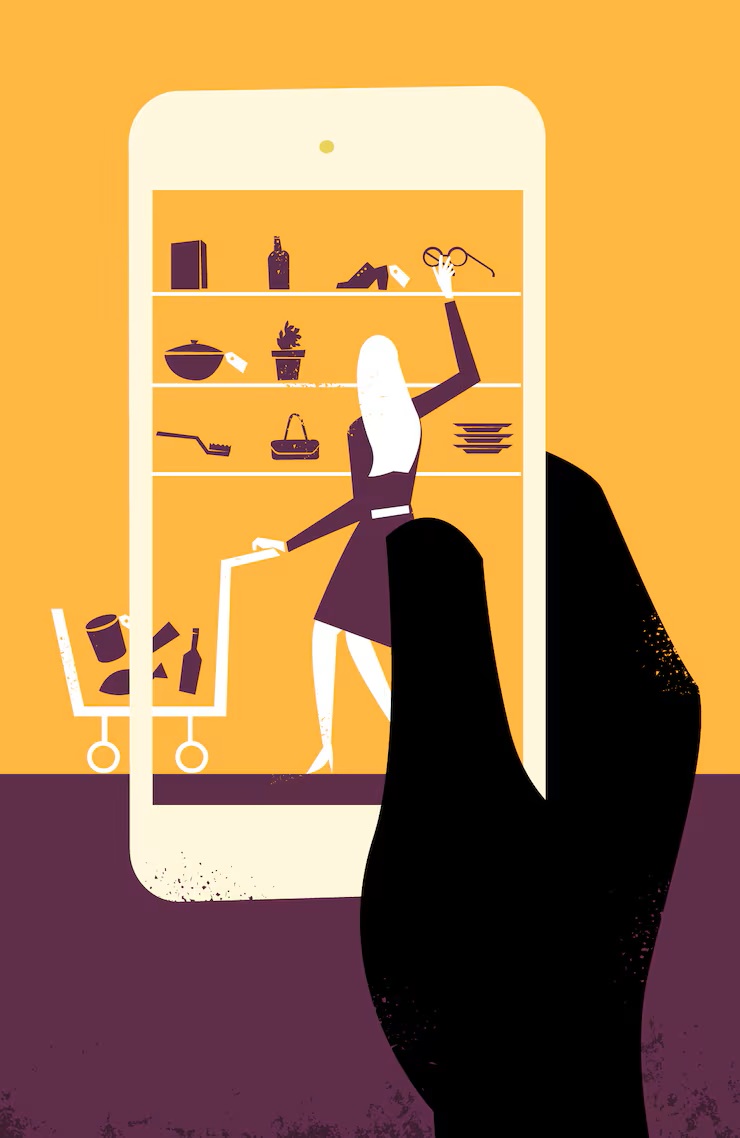
Luxury fashion has always been about atmosphere. The scent of leather, the weight of a door handle, the choreography of attentive staff — these details shape how a brand is felt as much as seen. In 2026, that same attention is being redirected to the screen.
As global growth slows, digital storefronts are no longer secondary channels. They are becoming primary stages. Luxury houses are redesigning their online boutiques to feel less like product grids and more like immersive flagship stores, borrowing heavily from the playbooks of tech platforms that have mastered engagement.
Cross-Industry Lessons On Retention And Interface Design
Luxury fashion is increasingly studying industries that understand digital stickiness. Streaming services, gaming platforms, and fintech apps obsess over frictionless onboarding and intuitive dashboards. High-end retailers are applying the same thinking to checkout flows, saved preferences, and loyalty ecosystems.
The interface is no longer neutral; it is part of the brand language. Clean typography, subtle motion graphics, and responsive transitions echo runway minimalism or maximalist heritage, depending on the house. Retention metrics are tracked with the same intensity once reserved for foot traffic.
Even sectors built around digital wagering provide lessons in engagement architecture. Platforms such as international online casinos refine user journeys to minimize friction and keep audiences active, using clear navigation, real-time feedback, and seamless payment systems. Luxury retailers are not copying the content, but they are studying the mechanics of flow and reward.
Video commerce is another borrowed strategy. Live drops and limited-edition releases mirror the urgency tactics of tech launches. Scarcity, when combined with a smooth interface, creates momentum without compromising brand prestige.
The emphasis on retention reflects a broader reality: customer acquisition costs are rising. Keeping visitors engaged for longer, and encouraging repeat visits, has become as important as attracting them in the first place.
Evolution Of E-Commerce Into Immersive Digital Flagship Stores
The numbers explain the urgency. The U.S. online fashion retail market is forecast to increase by $303.9 billion at a CAGR of 15.6% between 2025 and 2029. That level of expansion makes digital experience a competitive battleground, not a convenience feature.
Luxury brands are responding by rethinking layout, storytelling, and flow. Homepage carousels now resemble curated exhibitions. Editorial photography sits beside shoppable video. Product pages feature movement, texture, and styling suggestions that mimic in-store advice.
Mobile-first design is central to this shift. With most browsing happening on phones, navigation must be intuitive, fluid, and fast. A delay of a few seconds can disrupt the illusion of exclusivity. The goal is simple: replicate the emotional precision of a boutique without sacrificing the speed users expect from modern apps.
This is not purely aesthetic. It is strategic. Personal luxury goods sales were forecast to decline 2% to €358 billion ($414.5 billion) in 2025. When physical sales plateau, digital performance becomes essential for protecting margins and maintaining brand relevance.
Personalization Algorithms Defining The Future Of Luxury Shopping
Personalization is where technology and taste meet. Algorithms now analyze browsing behavior, purchase history, and even dwell time to curate homepage edits tailored to individual users. The effect is subtle but powerful — a boutique that appears to rearrange itself around you.
This approach is supported by market momentum. eMarketer projected that luxury ecommerce would continue gaining share of total luxury sales through 2025 as digital penetration deepens. As that share increases, personalization becomes less of an enhancement and more of an expectation.
AI-driven recommendations are also influencing inventory strategy. Brands can identify which silhouettes resonate in specific regions and adjust merchandising in real time. For creatives — stylists, photographers, and emerging designers — this means trend signals surface faster, often beginning online before filtering into physical spaces.
Virtual try-ons and augmented reality tools are evolving too. They are no longer gimmicks but calibrated utilities, reducing returns while enhancing confidence. When executed well, they blend seamlessly into the aesthetic language of the brand.
Luxury has always thrived on detail. In 2026, that detail lives in code as much as in craftsmanship. The new online boutique is not a compromise; it is a reimagined flagship, built with the precision of couture and the logic of a tech platform.