48 Hours Away: Mini Escapes That Feel Like a Full Reset
Two days can do more than most people expect. A short break doesn’t require airport lounges or complex itineraries to feel worthwhile. In the UK especially, a well-chosen couple of nights away can shift the mood entirely: a different landscape, a proper walk, a reliable place to eat, and somewhere comfortable to sleep that isn’t home.
The key is choosing locations where the setting does most of the work. Rural cottages, island coastlines, Highland cabins, honey-coloured villages, and dense Welsh forests each offer their own version of a reset. Forty-eight hours isn’t long, but with the right surroundings, it can be enough to feel genuinely restored.
Restorative Rural Retreats and Dog-Friendly Cottages
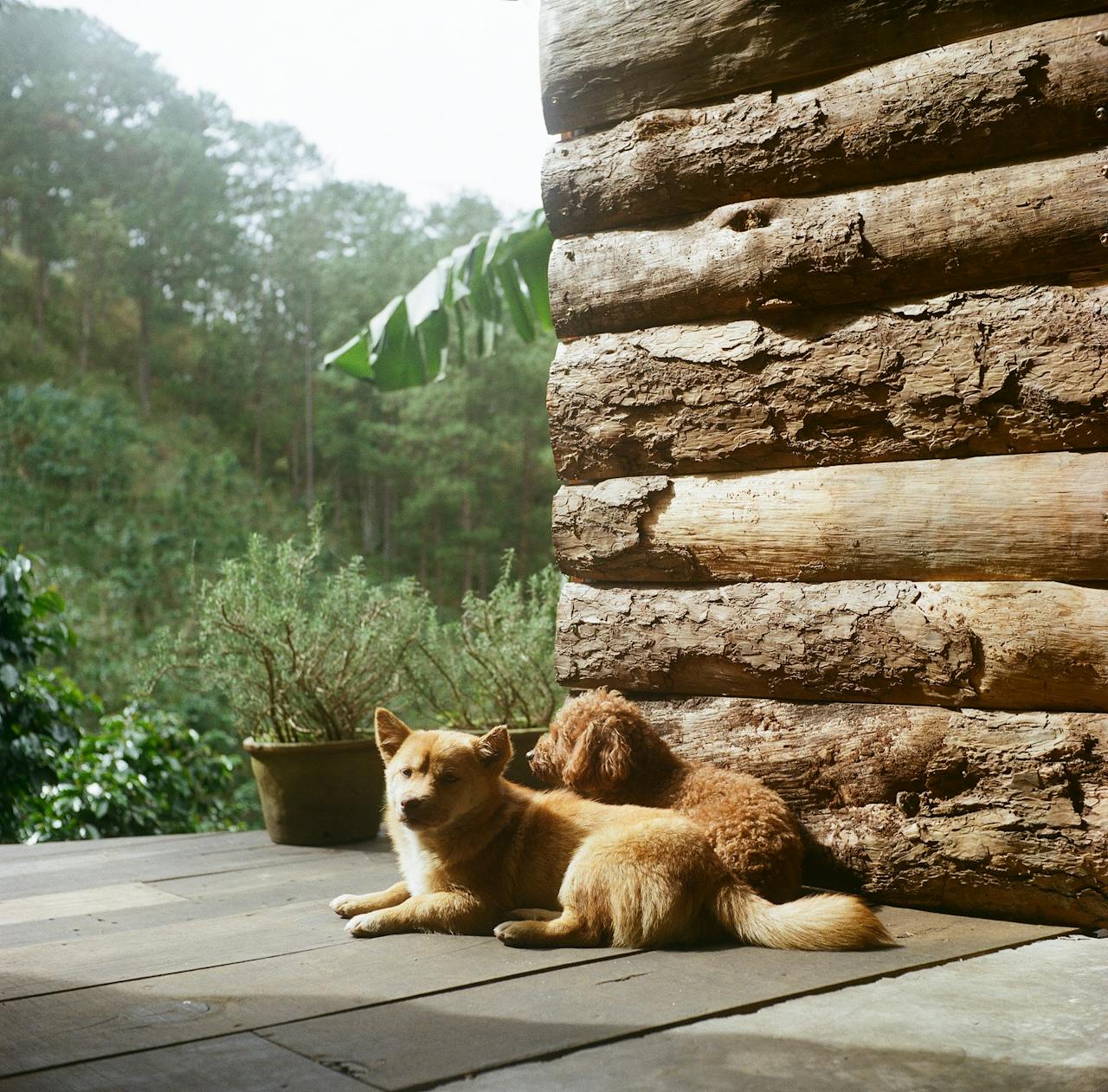
There’s something practical about packing the car, loading the dog in the back, and heading towards open countryside. In counties like North Yorkshire, Herefordshire, or the Norfolk Broads, small cottages sit at the edge of farmland or near footpaths that link directly to public rights of way. Many choose to visit dog friendly cottages because it removes the need for kennels and reshapes the experience entirely. Morning walks become part of the routine.
In the Yorkshire Dales, a cottage near Grassington puts the River Wharfe on the doorstep. Walkers can follow the Dales Way towards Bolton Abbey, passing limestone outcrops and sheep-dotted hills. In Herefordshire’s Golden Valley, trails rise towards Hay Bluff with views across to the Black Mountains. Evenings wind down easily, with boots drying by the door, a pint from the local pub, and a wood burner ticking away.
Volcanic Silence and Subterranean Stillness in Lanzarote
A visit to Lanzarote offers a unique, dramatic landscape, moving beyond the typical vacation experience. The reset begins in Timanfaya National Park, where the Montañas del Fuego (Mountains of Fire) create a lunar landscape of deep ochre and charcoal-black soil. Walking through the Cuervo Volcano crater, you are surrounded by twisted lava formations that make the noise of the digital world feel impossible to reach. The air is dry, the light is sharp, and the stillness is profound.
The essence of the island is defined by the artist César Manrique, who integrated architecture into the geology. At Jameos del Agua, you can sit inside a collapsed volcanic tunnel turned into a subterranean garden and pool. It is cool, dark, and otherworldly. Evenings are spent in the La Geria wine region, where vines are grown in individual stone pits to protect them from the wind. A glass of volcanic Malvasía and a plate of salt-crusted papas arrugadas provide a sensory grounding that feels entirely removed from modern life.
High-Altitude Isolation and Cabin Culture in the Highlands
Further north and inland, cabin stays near Aviemore or along the North Coast 500 offer a different version of isolation. The Cairngorms National Park has well-marked trails that range from gentle forest loops around Loch an Eilein to steeper routes up Cairn Gorm itself. Reindeer herds roam the slopes above Glenmore, and guided walks explain how they were reintroduced decades ago. Staying in a timber cabin tucked into Scots pine woodland changes how evenings unfold. There’s less distraction, more silence once the wind drops.
Around Torridon, the mountains feel heavier. Beinn Eighe rises sharply above the road, and the Beinn Eighe National Nature Reserve has a clear path up to Coire Mhic Fhearchair. Cabins often come with practical details: drying rooms for wet gear, decent kitchens, and wide windows facing lochs. Local shops in villages like Shieldaig stock smoked salmon, oatcakes, and other basics that suit a day outdoors. Forty-eight hours in the Highlands often mean covering serious ground during the day and falling into bed properly tired at night.
Medieval Charm and Slow Living in the Cotswolds
The Cotswolds sit within easy reach of London, Bristol, and Birmingham, which makes them a common choice for a short break. Yet once in towns like Bourton-on-the-Water or Stow-on-the-Wold, the atmosphere shifts. Honey-coloured limestone buildings line narrow streets, and churches such as St Edward’s in Stow carry centuries of history in their worn doorways. The area is easiest to explore on foot. The Cotswold Way threads through a string of villages, connecting market towns with rolling farmland and open stretches of countryside.
Broadway Tower gives a wide view across Worcestershire, and nearby Snowshill Manor holds an eccentric collection of objects gathered by Charles Wade. Food is central to the experience. Daylesford Organic near Kingham brings together a farm shop, café, and cookery school on one site, while traditional pubs such as The Kingham Plough focus on seasonal menus built around locally sourced ingredients. The reset here isn’t dramatic. It’s about walking between villages, browsing independent shops, and sitting in a café without checking the clock every five minutes.
Deep Forest Immersion and Off-Grid Living in Snowdonia
Snowdonia, now officially known as Eryri National Park, offers dense woodland and steep peaks within a compact area. Staying near Betws-y-Coed places you close to major trailheads, mountain passes, and forest routes, with most walks and drives starting just minutes from your door. The Swallow Falls sit just outside the village, and the Miners’ Track up Yr Wyddfa (Snowdon) starts from Pen-y-Pass. Even in busy seasons, there are quieter options. Coed y Brenin Forest Park has cycling trails and walking routes that thread through thick conifers, with fewer crowds than the main summit paths.
Off-grid cabins around Dolgellau or Beddgelert often rely on wood burners and limited phone signal. Walks along the Mawddach Trail follow a disused railway line with estuary views towards Barmouth. Castell y Bere, the ruins of a 13th-century Welsh castle, sits in a valley that feels largely untouched. Evenings tend to be simple: cooking from local produce picked up in Porthmadog, maps spread across a wooden table, boots left outside the door. The forest sets the tone here. Its dense trees and steady river sounds naturally soften the noise, creating a sense of calm without any effort.
Are you Truly Ready to Reset?
A short break doesn’t have to be ambitious to make a difference. Rural cottages encourage long walks. The Hebrides sharpen the senses with sea air and open beaches. Highland cabins reward physical effort. The Cotswolds ground visitors in history and good food. Snowdonia pushes people into forests and onto mountain paths. Each destination offers a different kind of reset, shaped by landscape and how time is spent within it. Forty-eight hours is enough to shift habits and perspective, especially when distractions are reduced.