Fred Again.. Drops Live Show From Dermot Kennedy’s Concert: Why Live Moments Are the New Album Cycle
How Electronic Music’s Biggest Names Are Building Careers Through Authentic Live Content—And What Independent Artists Can Learn
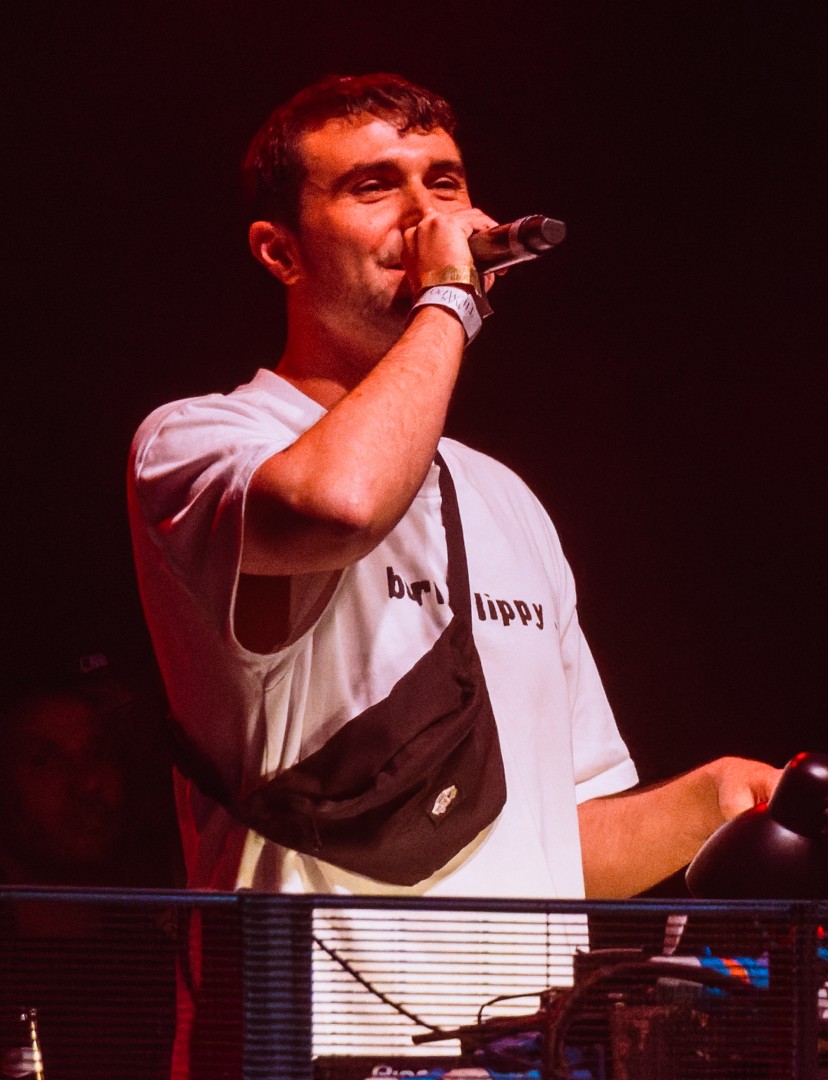
Fred again.. just uploaded a full live performance from Dermot Kennedy’s recent show, and it’s already generating millions of views. The 90-minute set captures everything that makes Fred’s live performances so compelling—the spontaneous energy, the crowd connection, the seamless blending of his studio productions with raw, in-the-moment creativity.
But this isn’t just another concert video. It’s a masterclass in how modern electronic artists are building sustainable careers by treating live content as core product, not promotional afterthought. While traditional artists still think in album cycles and single releases, Fred again.. has redefined what it means to be a producer in 2026—live performances documented, shared, and experienced by millions who’ll never attend a show.
The Dermot Kennedy collaboration performance showcases this perfectly. Rather than keeping the magic exclusive to attendees, Fred captured and shared it, extending the experience to a global audience while cementing his position as electronic music’s most emotionally resonant live act.
The Live Content Strategy That’s Changing Electronic Music
Fred again..’s approach to live content has become the blueprint for electronic artists in 2026. Full sets uploaded to YouTube. Behind-the-scenes studio sessions on Instagram. Collaborations with artists from different genres documented and shared. Every performance becomes content that lives beyond the venue.
This strategy works because electronic music fans consume differently than previous generations. They don’t just want the finished track on Spotify—they want to see how it was made, how it sounds live, how the artist interacts with crowds, what the creative process looks like. Fred delivers all of that consistently, building deeper fan relationships than streaming numbers alone could create.
The numbers prove it: his live uploads often outperform studio releases in views and engagement. Fans return to these performances repeatedly, discovering new details in each viewing. The content has longevity that typical music videos don’t achieve.
Rave Jesus and the Niche Market Approach
Interestingly, 2026 has also seen Rave Jesus make significant moves in the Christian EDM space using similar live-first principles. While operating in a completely different market than Fred again.., Rave Jesus has applied the same core insight: documenting and sharing live performances builds deeper connection with dedicated audiences than studio tracks alone.
What Fred again.. and Rave Jesus share—despite their vastly different sounds and audiences—is understanding that in 2026, live content isn’t supplementary to your music career. It is your music career.
What Independent Artists Miss About Live Content Strategy
Most independent electronic artists treat live performances as ephemeral—you play the show, maybe someone films a clip on their phone, and that’s it. The magic happened, but it only existed for the people in the room.
Fred’s approach flips this entirely. Every performance is an opportunity to create content that reaches millions. Every collaboration is a documented moment that builds the narrative of your career. Every festival set is content that continues generating value long after the event ends.
But here’s where most artists fail to capitalize: they capture the content but don’t have the infrastructure to share it effectively.
The Infrastructure Problem Nobody Talks About
You film an incredible live set. You collaborate with another artist. You capture a spontaneous studio moment. Now what?
Most artists post it to Instagram with a caption like “Last night was crazy” and hope for the best. They might upload to YouTube eventually, when they remember. Maybe they share different clips across different platforms without any coordinated strategy.
This scattered approach wastes the content’s potential. Fred again..’s content works because there’s clear infrastructure connecting everything—his live uploads direct people to streaming platforms, tour dates, and social channels seamlessly. When millions watch his Dermot Kennedy performance, they can immediately follow, stream his catalog, or check tour dates without hunting across platforms.
This is where professional Link-in-Bio infrastructure becomes essential for independent artists trying to replicate this strategy. When your live content goes viral or generates significant views, you need one permanent, professional link that handles everything—streaming platforms, tour dates, social channels, email signup.
Converting Attention to Actionable Outcomes
The gap between “people watched my live video” and “people became actual fans who stream my music and buy tickets” is where most artists lose opportunity.
Fred again.. converts attention efficiently because the infrastructure is dialed in. Someone discovers him through a live YouTube upload, clicks through to find streaming links that work flawlessly, sees upcoming tour dates clearly displayed, and can immediately take action. The path from discovery to fan is frictionless.
Independent artists need the same infrastructure through platforms like FanPage that route people intelligently based on their device and location. When someone in London watches your live set, they should automatically get directed to your London show date. When someone on an iPhone wants to stream your music, they go straight to Apple Music without manual platform selection.
This smart routing isn’t luxury—it’s the difference between 30% of viewers becoming actual fans versus 60% conversion. When you’re working to build a career from live content, those numbers compound dramatically.
The Multi-Platform Content Strategy
Fred again..’s live content doesn’t just exist on YouTube. Clips get repurposed for Instagram Reels, TikTok, Twitter, and YouTube Shorts. Each platform gets optimized content while driving back to the full performance and, ultimately, to his streaming catalog and tour dates.
This multi-platform approach requires coordination that overwhelms most independent artists. They upload the full set to YouTube, post a few clips to Instagram, and that’s the extent of their strategy. Meanwhile, opportunity sits in creating platform-specific cuts, optimizing for different algorithms, and maintaining consistent calls-to-action across all content.
The artists succeeding with live content in 2026 treat it like product launches, not casual posts. There’s a content calendar, platform-specific optimization, coordinated rollout, and clear conversion paths from every piece of content to meaningful actions.
What This Means for Independent Electronic Artists
You don’t need Fred again..’s budget or fanbase to implement this strategy. You need:
1. Quality Live Capture: Invest in decent audio recording equipment and video capabilities. Your phone can work, but audio quality matters enormously for electronic music.
2. Professional Infrastructure: One central hub (link-in–bio) that handles routing to streaming, tour dates, and social platforms intelligently.
3. Content Repurposing System: Plans for how each live performance becomes 10+ pieces of content across platforms.
4. Consistent Execution: Every show documented. Every collaboration captured. Every studio session filmed. Build the content library.
5. Conversion Strategy: Clear calls-to-action in every piece of content driving people to stream music, follow socials, or check tour dates.
The Future Is Live, Documented, Shared
Fred again..’s Dermot Kennedy performance upload isn’t just a nice gesture for fans who couldn’t attend. It’s strategic career building that extends the value of every performance exponentially.
Electronic music in 2026 rewards artists who understand that live content is product, not promotion. The artists building sustainable careers are those documenting everything, sharing authentically, and having the infrastructure to convert attention into actual fanbases.
You don’t need to be playing arenas like Fred to implement this. You need to be capturing your basement sets, your small club shows, your collaborations with local artists, and treating all of it as valuable content that builds your career over time.
The tools exist. The platforms are accessible. The strategy is proven. What separates artists building real momentum from those staying underground is execution—actually filming the sets, actually organizing the content, actually having professional infrastructure that converts views to fans.
Fred again.. didn’t get to where he is by accident. He built it through relentless documentation, authentic sharing, and professional infrastructure that makes it effortless for millions of people to become actual fans.
Your live content is sitting there waiting to build your career. The question is whether you’ll capture it, share it, and build the infrastructure to convert it into something real.